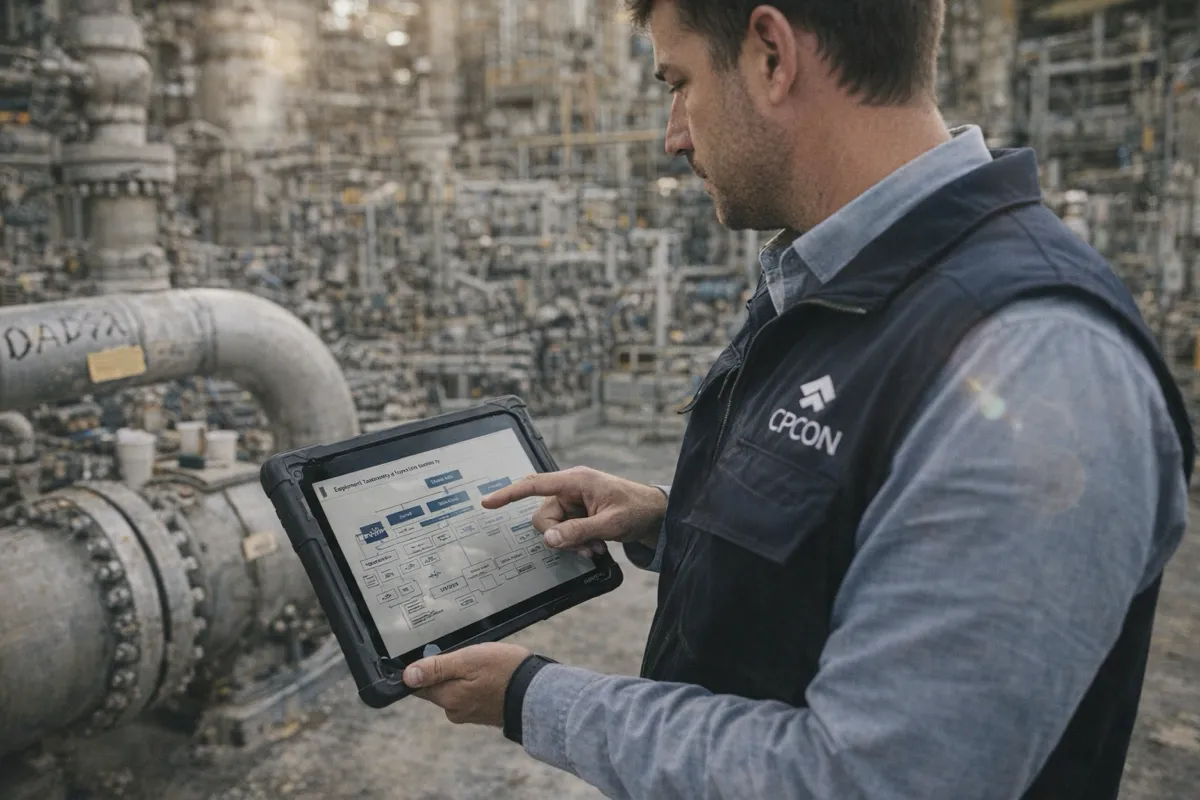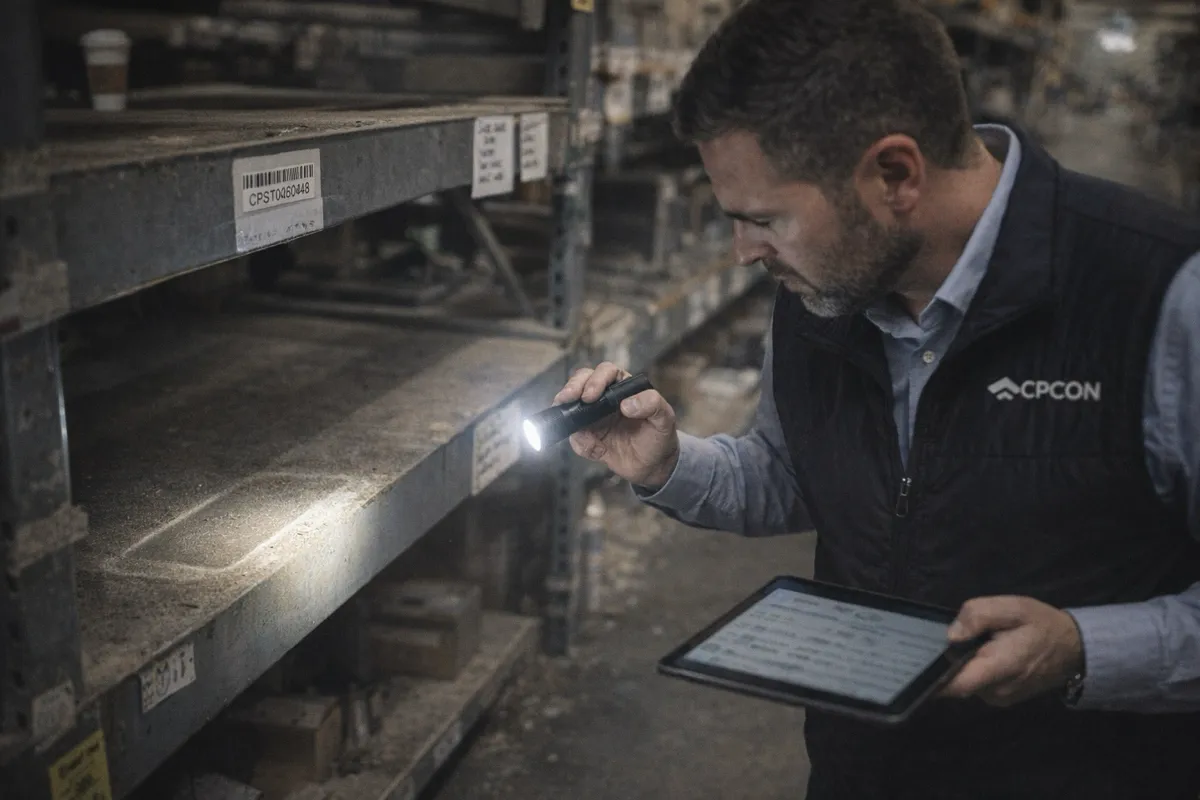
The asset hierarchy is the most important — and most overlooked — decision in a CMMS implementation. It is the parent-child structure that organizes every asset from the site down to the individual component, and almost everything you want from a CMMS inherits from it: reporting, preventive maintenance scheduling, spare-parts linkage, cost roll-ups, and reliability analysis. Get the hierarchy right and the system works; get it wrong and no amount of software fixes the damage.
What an Asset Hierarchy Is
An asset hierarchy (sometimes called the equipment taxonomy) is a structured tree of every asset, where each item has a parent and, often, children. It answers two questions at once: where is this asset (which site, area, and system it belongs to) and what is it part of (which equipment a component belongs to). Combined with a consistent naming convention and criticality, it turns a flat list of equipment into something you can actually analyze and maintain.
The Levels of an Asset Hierarchy
A practical, widely-used structure runs five to six levels deep:
| Level | What it represents | Example |
|---|---|---|
| Site | The facility | Houston Plant |
| Area / Zone | A section of the plant | Utilities |
| System / Process | A functional system | Cooling water |
| Equipment | The maintainable unit | Cooling water pump P-101 |
| Component | The failing part | Bearing, seal, motor |
In asset-intensive industries this same idea is formalized by the ISO 14224 nine-level taxonomy. Whether you follow ISO 14224 formally or a simpler five-level model, the principle is identical: depth should match how you maintain and analyze assets — deep enough to record component-level failures, not so deep it becomes impossible to maintain.
Naming Conventions & Standardization
A hierarchy is only as good as its consistency. The same equipment type must be named the same way every time, or roll-ups and comparisons silently break. Define a naming convention up front — equipment type, identifier scheme, and abbreviations — and apply it across the entire site. "Centrifugal Pump," "Centf. Pump," and "C-Pump" for the same asset class is the single most common way a CMMS becomes un-analyzable.
Criticality
Criticality is the layer that makes the hierarchy actionable. Rating each asset by how much a failure matters — to safety, production, and cost — lets you focus preventive maintenance and reliability effort where it pays off, instead of treating every asset the same. Criticality should be assigned during the same field exercise that builds the hierarchy, not bolted on later.
The Most Common Mistakes
- Flat hierarchy — assets with no parent-child structure, so nothing can be rolled up or analyzed
- Inconsistent naming — the same equipment named multiple ways
- Missing assets — equipment never captured, so it is invisible to maintenance
- Too deep or too shallow — unmaintainable detail, or no component level to record failures against
- Building in software first — configuring the CMMS before defining the standard and collecting the data
How to Build It Right
Define the standard first: the levels, the naming convention, the required attributes, and the criticality scale — adopting ISO 14224 if your industry calls for it. Then collect accurate asset data from the floor and place each asset in the hierarchy. The design is the quick part; the hard part is the field asset data collection and applying the standard consistently across an entire facility. And once the hierarchy exists, it has to be kept honest over time through periodic verification.
Building the Hierarchy Behind Your CMMS
CPCON Group designs and builds CMMS asset hierarchies on the plant floor — defining the structure and naming standard, collecting accurate equipment data, assigning criticality, and delivering a clean, consistent asset register your maintenance team can rely on. Whether you are standing up a new CMMS or rebuilding a broken hierarchy, talk to our team about getting the backbone right — part of our CMMS data services.