
Fixed Assets
Lot vs Pool: Where to Link Each Counted Fixed Asset
Link each counted fixed asset to a register line, lot, pool or hold list. See what the standards allow and what good audit evidence looks like.
October 20, 20268 min read
CPCON · Resource library
Search and filter 199+ pieces on inventory, fixed assets, RFID, compliance, and valuation — written by CPCON specialists.
Showing 1–24 of 199 articles · Page 1 of 9
Link each counted fixed asset to a register line, lot, pool or hold list. See what the standards allow and what good audit evidence looks like.

How to count, tag and verify pooled fixed assets: what IAS 16, ASC 360 and PCAOB standards say, and what a good pooled count gives the controller.

A step-by-step opening balance sheet count checklist: who owns each step, timing against the acquisition date, the evidence pack and the register match.
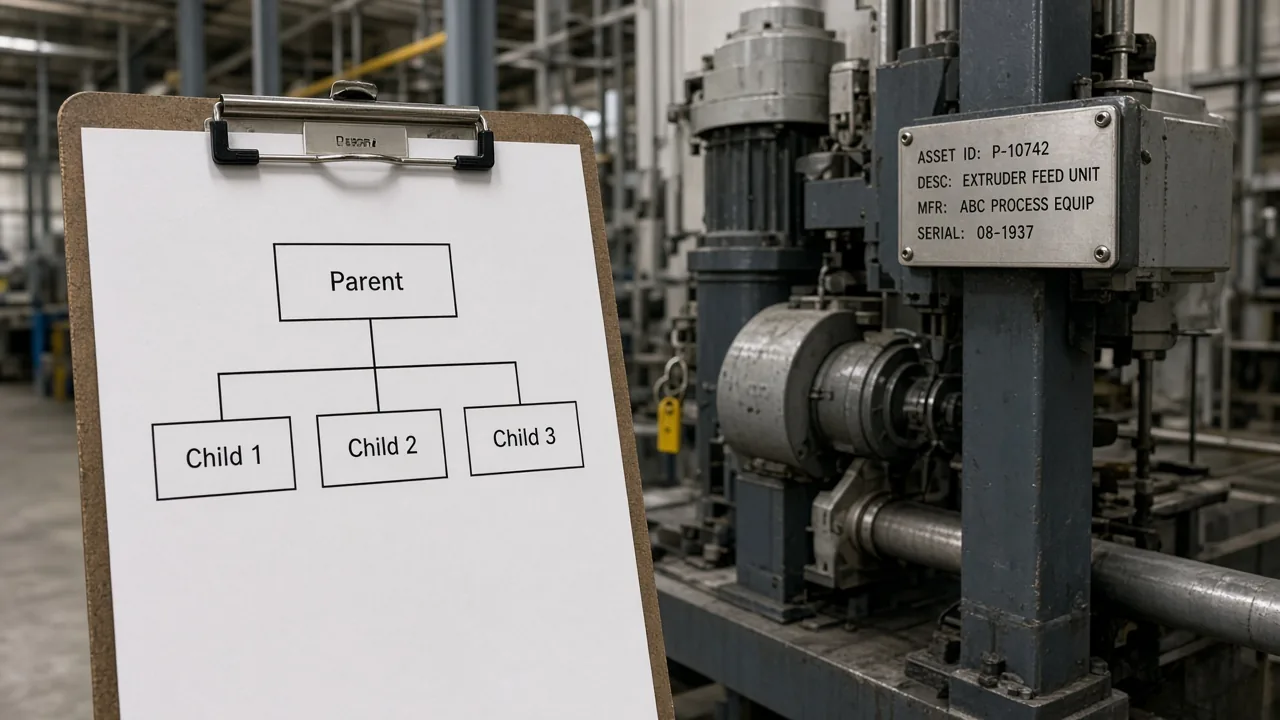
How parent–child subnumbering structures the fixed-asset register—main vs child numbers, cost split, replacements, and tags. Not the IAS 16 rule page.
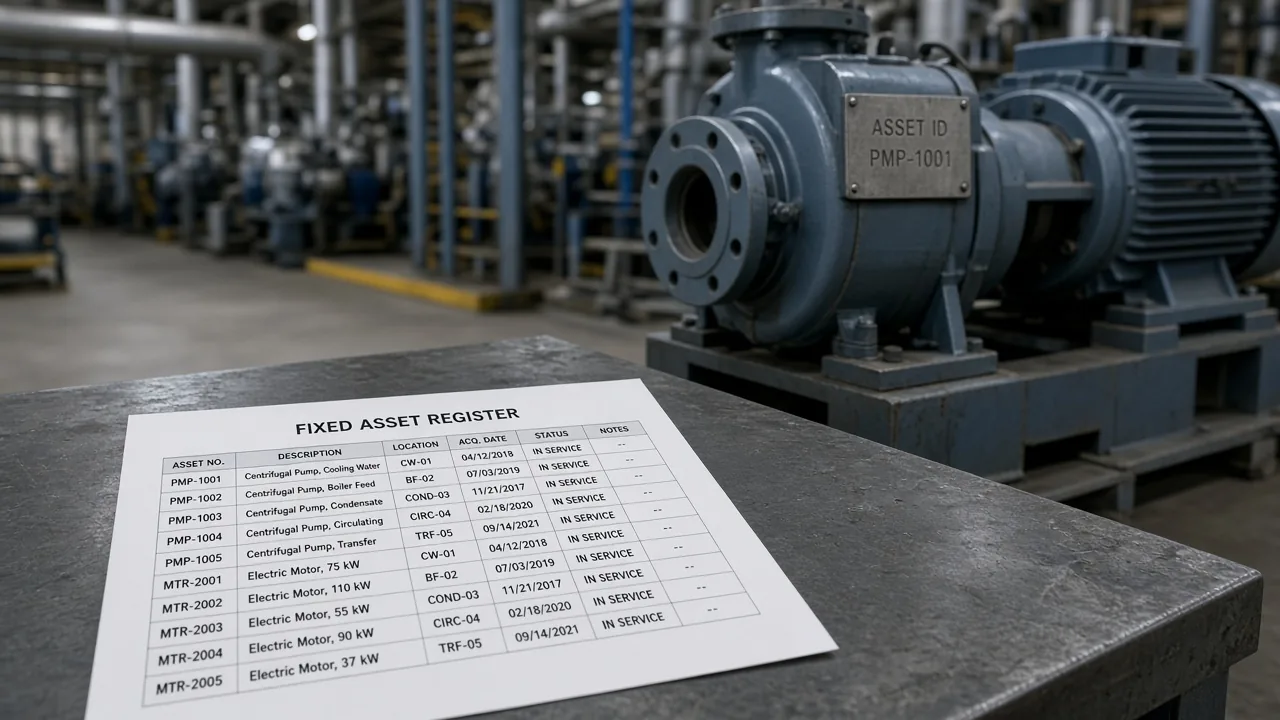
When fixed assets should carry a physical tag vs GIS, title, or serial tracking—and what a floor count can and cannot prove for existence under ICFR.
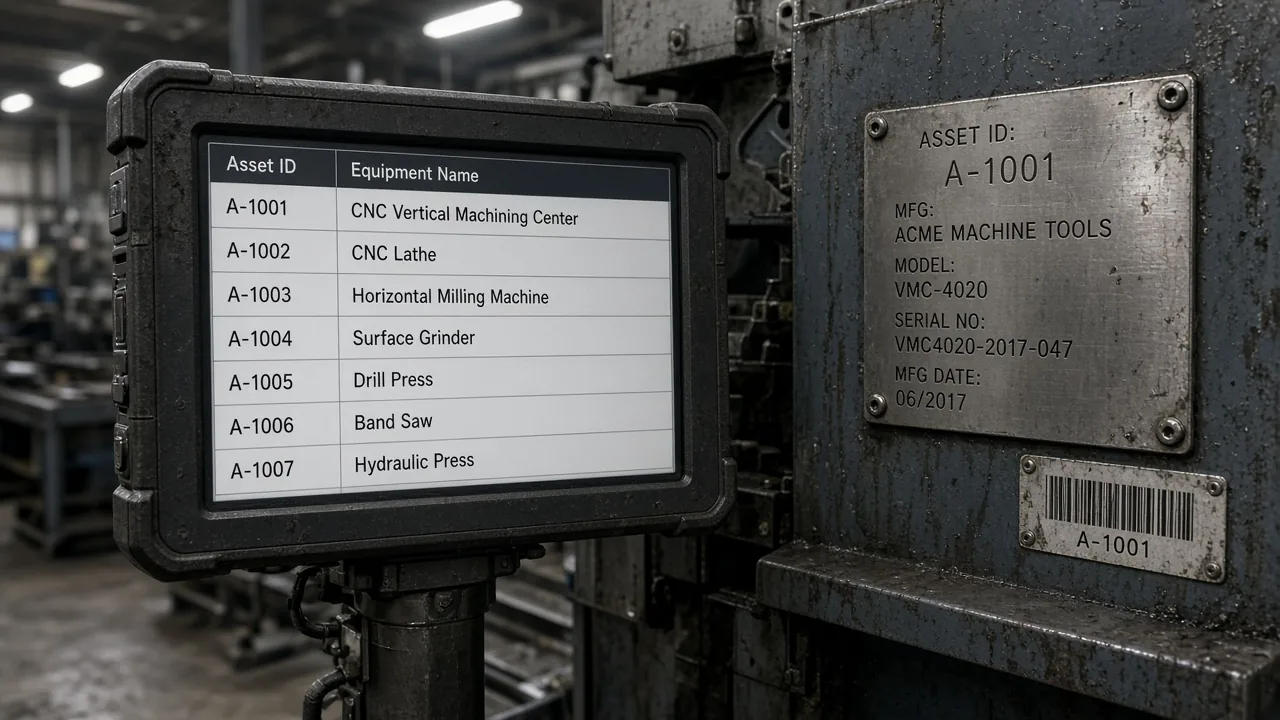
Standardization rules for fixed-asset tagging and register fields—naming, IDs, CAPEX-to-tag flow, and ICFR evidence packs. Not a media/tech how-to.

How live picks create movement and variance during cycle counts—and the method controls industrial teams use so counting doesn’t require a shutdown.

Design an industrial cycle count cadence with ABC classification for plants and warehouses—not retail shelf counting. Education for program owners.

Scan, RFID, and vision as a method stack for shutdown-free industrial cycle counts—labeled simulation where demos apply. No accuracy theater.
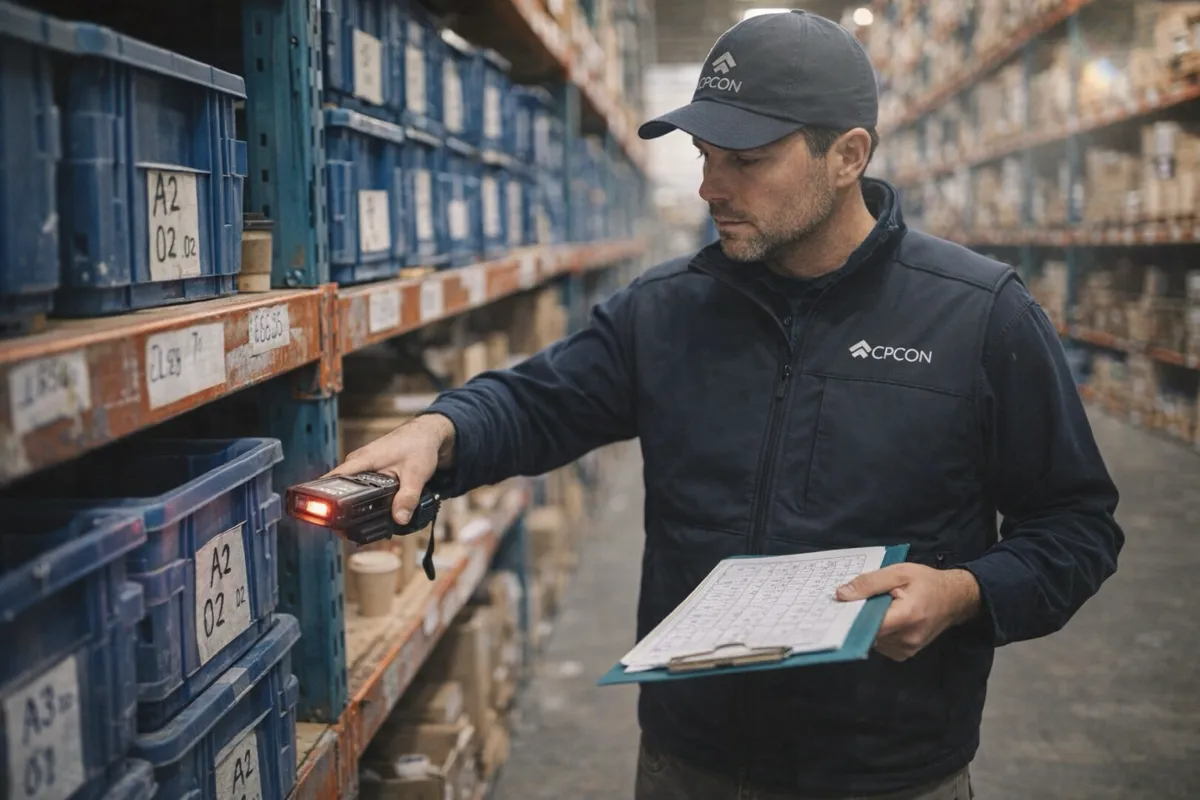
Compare wall-to-wall shutdowns with rolling keep-running cycle counts. When a full stop is required—and when industrial plants can keep picking while they count.

Salt Lake County signed statements still carry disposed fixed assets until Schedule A and the register match. Inventory and tagging create the disposal trail.

St. Charles County business personal property returns (Jan 1 / March 1) still tax register ghosts. See how FA inventory and tagging clear disposals before filing.

Wilson County business personal property listings (Jan 1–31 for 2026 tax year) still tax disposed fixed assets until inventory and tagging update the county list.

Business personal property tax follows your fixed-asset roll, not the floor. See how inventory, tagging, and disposal evidence clear ghosts before the next PPT filing.

ASC 250-10-50-4 requires disclosure of the effect on income from continuing operations, net income and per-share amounts. IAS 8.39-40 sets the IFRS equivalent.
A change in estimate is prospective; an error restates retrospectively. ASC 250-10-20 and IAS 8 draw the line at whether reliable information was available and used.

A change in useful life is purely a change in estimate. A change in depreciation method is a change in estimate effected by a change in principle under ASC 250-10-45-18.

IAS 16.51 requires residual value and useful life to be reviewed at least at each financial year-end, with changes treated as a change in estimate under IAS 8.

Revising useful life is a change in accounting estimate under ASC 250-10-45-17 and IAS 8.36 — prospective only, no prior-period restatement, gross cost untouched.
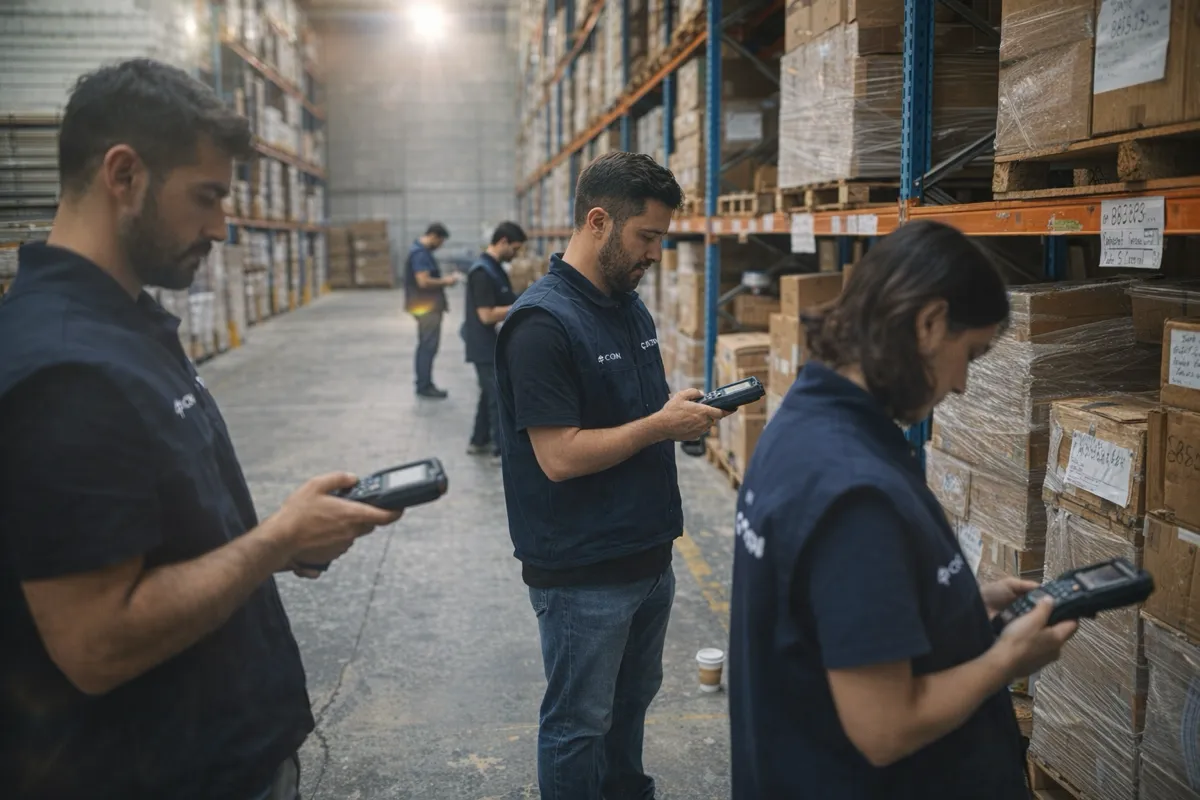
Auditors can accept statistical sampling for physical inventory counts under PCAOB AS 2510 and AU-C 501 — here are the six conditions your plan must meet.
Why fixed-asset subledgers drift from reality — unbooked disposals, ghost assets, a register that won't tie to the GL or ERP — and the controller's playbook to remediate it before audit.
Under 2 CFR 200.1, the April 2024 Uniform Guidance revisions raised the federal equipment threshold from $5,000 to $10,000. Here's how to classify equipment vs. supplies and why it changes your property obligations.
What 2 CFR 200.313 requires — property records, control system, and the physical inventory you must take every two years — plus the 2024 $10,000 threshold and how it applies to FQHCs.
2 CFR 200.313(d)(3) requires a physical inventory of grant-funded equipment reconciled to your property records at least once every two years. Here's what that means and how a Single Audit tests it.
Subscribe for asset management, inventory, and compliance updates — or browse the full insights hub.