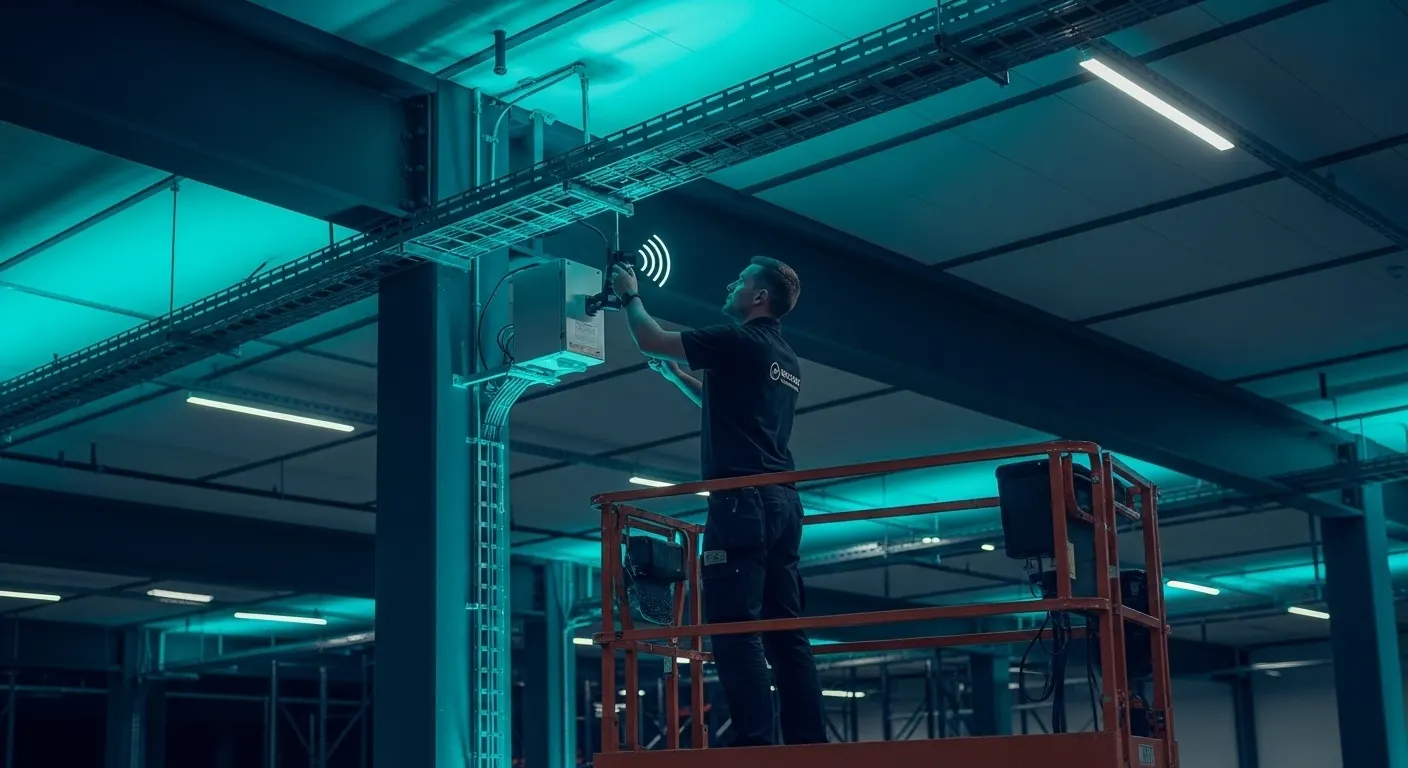
RFID Installation Services
Built for warehouses
deployed with precision.
CPCON's RFID installation team designs, deploys, and optimizes enterprise‑grade RFID infrastructure. From site surveys to go‑live, we handle every detail so you achieve maximum read accuracy from day one.
What Is Professional RFID Installation?
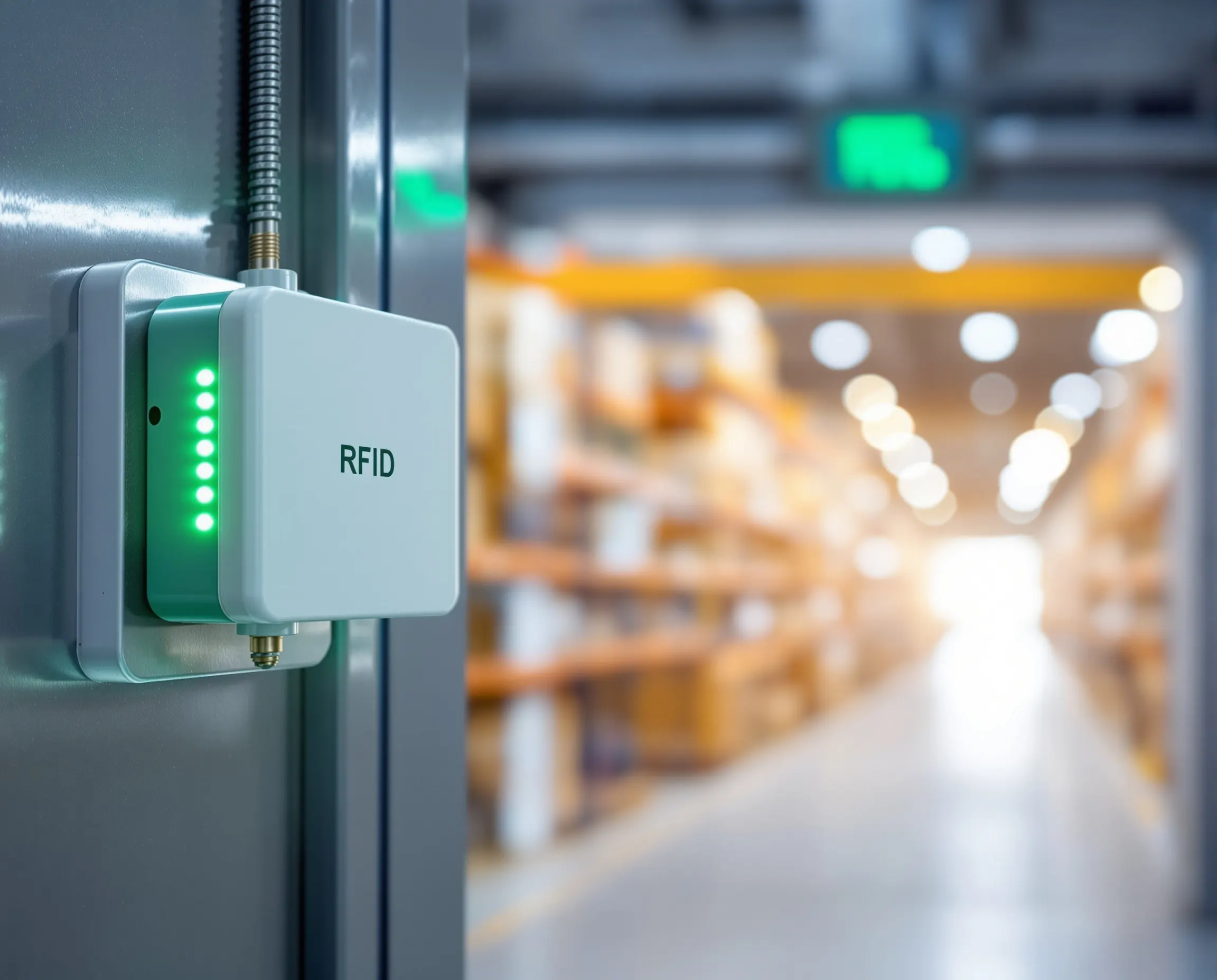
Professional RFID installation is the end-to-end process of designing, mounting, cabling, configuring, and validating radio-frequency identification infrastructure within your facility. Unlike plug-and-play starter kits, enterprise RFID deployments require precise antenna placement, power calibration, and network integration to achieve the 99%+ read rates that mission-critical operations demand.
CPCON's certified RFID installation engineers have deployed tracking systems across manufacturing plants, distribution centers, hospitals, data centers, and government facilities in over 40 countries. Every installation follows our proprietary methodology — refined over 35 years and thousands of projects — to minimize disruption and maximize first-pass accuracy.

Our 6‑Step RFID Installation Methodology
A proven, repeatable process refined across 2,500+ enterprise deployments to ensure every installation meets performance targets on time and on budget.
Site Assessment & RF Survey
Our engineers visit your facility to map the physical layout, identify RF interference sources, measure ambient noise levels, and determine optimal antenna placement zones for maximum coverage.
System Design & Engineering
Based on survey data, we create detailed installation blueprints specifying reader locations, antenna orientations, cable routing paths, power requirements, and network connectivity points.
Hardware Procurement & Staging
All RFID readers, antennas, cables, mounts, and accessories are sourced, pre‑configured, firmware‑updated, and tested in our staging lab before arriving at your site.
Physical Installation & Cabling
Certified technicians mount readers and antennas, run power and data cables, install conduit and cable trays, and connect all hardware to your network infrastructure with minimal operational disruption.
Configuration & Calibration
Each reader is configured with optimal power levels, antenna gain settings, and read filters. We calibrate the system using your actual RFID tags to achieve target read rates above 99.5%.
Validation, Training & Handoff
Comprehensive read‑rate testing validates performance against acceptance criteria. Your team receives hands‑on training, documentation, and ongoing support access before final sign‑off.
RFID Installation Services We Offer
From dock-door portals to ceiling-mounted arrays, we install every type of RFID infrastructure your operation requires.
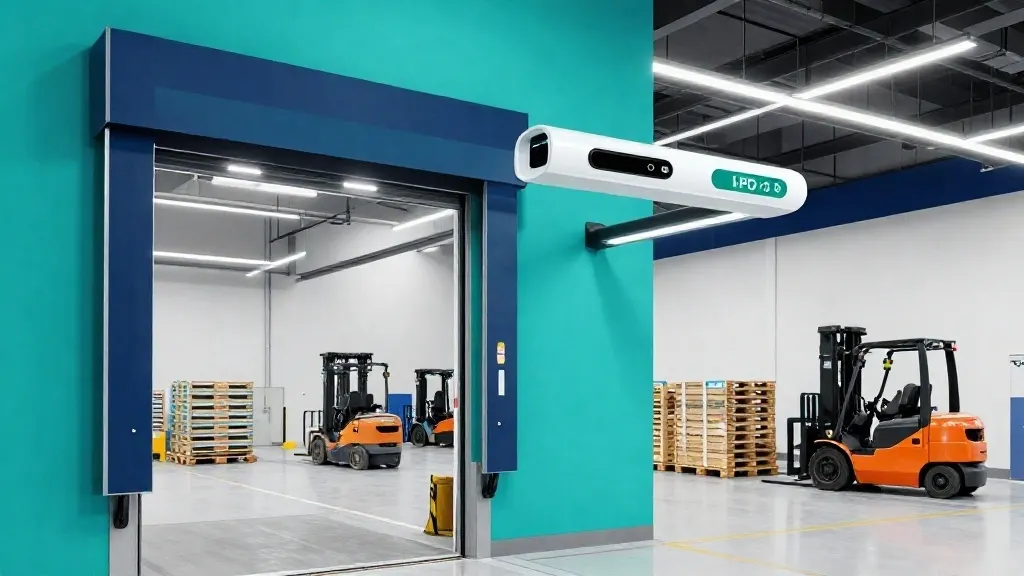
Portal & Dock Door Installation
Fixed RFID reader portals at loading docks, doorways, and chokepoints for automatic read/write of tagged assets as they move through your facility. Ideal for shipping, receiving, and zone transitions.
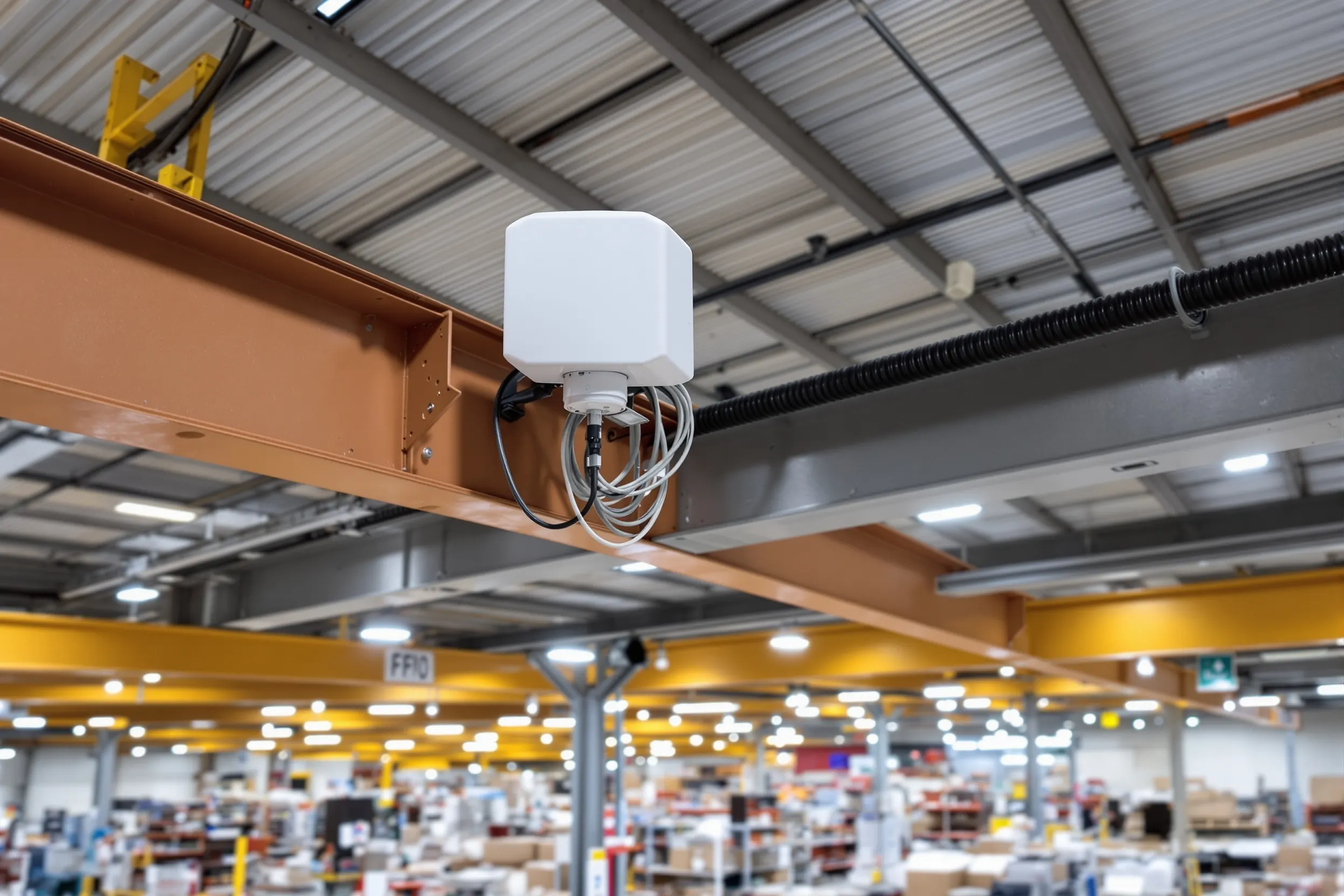
Ceiling & Overhead Mounting
Overhead RFID antennas mounted on ceilings or structural beams provide wide-area coverage for open floor plans, production lines, and storage areas. Minimizes interference from ground-level obstructions.

Handheld Reader Deployment
Configuration and deployment of mobile RFID readers and sleds for inventory counts, asset audits, and search-and-find operations. Includes device management, app installation, and user training.

Server Room & Data Center
Specialized RFID installations for IT asset tracking in server rooms and data centers. Includes rack-level antenna placement, environmental considerations, and integration with DCIM platforms.
Why Choose Professional RFID Installation?
The difference between a good RFID system and a great one is the quality of the installation.
Faster Time to Value
Professional installation eliminates trial-and-error. Our teams deploy systems that work correctly from day one, so you start seeing ROI immediately instead of spending weeks troubleshooting.
Optimized Read Accuracy
Expert antenna placement and power calibration achieve 99.5%+ read rates. DIY installations typically achieve 85-90% — the difference means thousands of missed or phantom reads per day.
Lower Total Cost of Ownership
Proper installation reduces hardware failures, eliminates rework, and extends equipment lifespan. Our clients see 40% lower maintenance costs compared to self-installed systems.
Scalable Architecture
We design installations with future growth in mind — additional readers, expanded zones, and new facilities can be added without re‑engineering the core infrastructure.
Compliance & Safety
All installations meet local electrical codes, FCC regulations, and industry‑specific standards (FDA, OSHA, FERC). Proper cable management and mounting ensure workplace safety.
Ongoing Expert Support
Every installation includes post‑deployment support, remote monitoring, and scheduled maintenance. Our engineers are available for troubleshooting and system optimization.
8 RFID Installation Best Practices
Lessons learned from 2,500+ deployments — follow these best practices to ensure your RFID installation delivers maximum performance and longevity.
Conduct a Thorough RF Site Survey
Before mounting any hardware, map your facility for RF interference from metal structures, fluorescent lighting, Wi‑Fi access points, and other 900 MHz devices. A proper survey prevents costly repositioning later.
Plan Antenna Placement Carefully
Antenna orientation, height, and tilt angle directly impact read zones. Position antennas to create overlapping coverage without dead spots, and account for tag orientation on your specific assets.
Use Quality Cabling & Connectors
Low‑loss coaxial cables and properly rated connectors are critical. Every dB of signal loss from cheap cabling reduces your effective read range. Use plenum‑rated cables in ceiling spaces per fire code.
Calibrate Power Levels Per Zone
Over‑powering readers causes stray reads from adjacent zones. Under‑powering creates missed reads. Calibrate each antenna independently based on the specific environment and tag population.
Test with Real Tags in Real Conditions
Lab testing is not enough. Validate read rates using your actual RFID tags, attached to your actual assets, moving at your actual conveyor speeds or forklift velocities. Test during peak operational hours.
Document Everything
Maintain detailed records of antenna positions, cable runs, reader configurations, firmware versions, and power settings. This documentation is essential for troubleshooting and future expansions.
Plan for Redundancy & Failover
Critical chokepoints should have redundant readers or backup power. Configure automatic failover so that a single hardware failure does not create a gap in your tracking coverage.
Schedule Regular Maintenance
RFID infrastructure requires periodic maintenance — firmware updates, antenna alignment checks, cable inspections, and performance benchmarking. Proactive maintenance prevents gradual degradation.
RFID Installation Across Every Industry
Our installation teams have deployed RFID infrastructure in virtually every industry vertical, adapting to unique environmental and regulatory requirements.

Manufacturing
Production line WIP tracking, MRO inventory, and tool crib management with fixed portal and overhead RFID installations.

Healthcare
Medical equipment tracking, surgical instrument management, and patient flow monitoring with hospital-grade RFID installations.

Warehouse & Logistics
Dock-door portals, conveyor-line readers, and zone-tracking antennas for real-time inventory visibility across distribution centers.
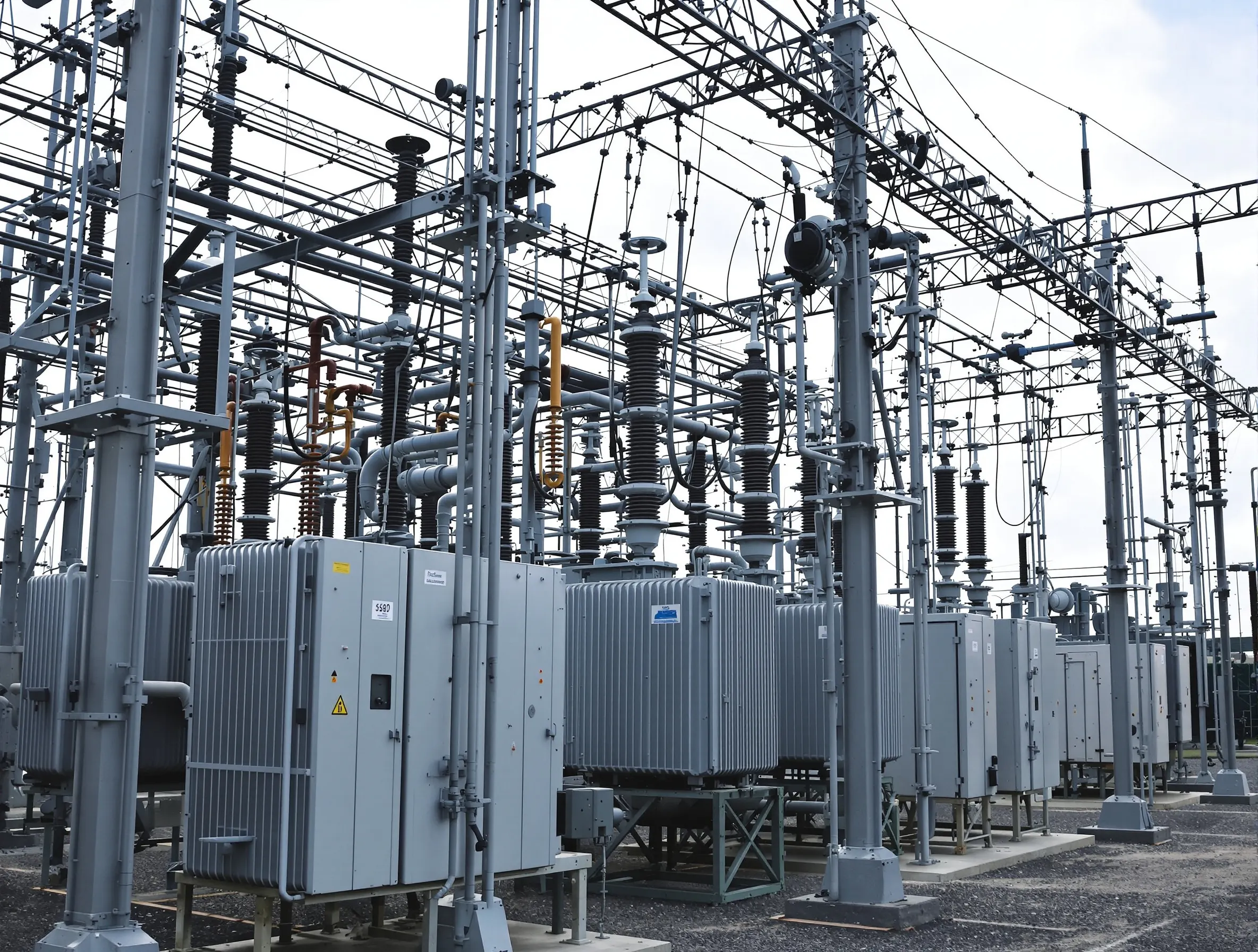
Energy & Utilities
Rugged outdoor RFID installations for substations, generation facilities, and transmission infrastructure asset tracking.

Retail
In-store RFID installations for inventory accuracy, loss prevention, and omnichannel fulfillment across multi-location retail chains.

Government & Defense
Secure RFID installations meeting federal compliance standards for military bases, government offices, and public infrastructure.
RFID Installation FAQs
Common questions about our RFID installation services, timelines, and support.
A single-portal dock door installation typically takes 4-8 hours. A full warehouse deployment with multiple read zones, ceiling-mounted antennas, and network integration usually takes 2-5 business days depending on facility size. Multi-site rollouts are scheduled in phases to minimize operational disruption.
Yes. Our installation teams handle all cabling — including coaxial antenna cables, Ethernet runs, and power connections. We use plenum-rated cables where required by fire code and install proper conduit and cable trays. For high-voltage electrical work, we coordinate with licensed electricians as needed.
Our RF site survey identifies all interference sources before installation begins. We use spectrum analyzers to map the RF environment and design antenna placements that avoid interference zones. In challenging environments, we may recommend shielded cables, directional antennas, or frequency-hopping configurations to maintain read accuracy.
Absolutely. We deploy ruggedized, IP67-rated readers and antennas designed for outdoor use, extreme temperatures (-40°F to 158°F), dust, moisture, and vibration. We have installed RFID systems at oil refineries, construction sites, shipping yards, and agricultural facilities.
We design installation schedules to minimize disruption. Most work can be performed during off-hours, weekends, or scheduled maintenance windows. For 24/7 operations, we use phased installation approaches that keep critical areas operational while adjacent zones are being set up.
Yes. We integrate RFID readers with your existing network switches, Wi-Fi infrastructure, and enterprise systems (SAP, Oracle, Microsoft Dynamics, etc.). Our team works with your IT department to ensure proper VLAN configuration, firewall rules, and data routing.
All installations include a minimum 2-year hardware warranty (up to 5 years for enterprise readers), 90-day installation workmanship guarantee, and access to our remote support team. We also offer annual maintenance contracts that include firmware updates, performance audits, and priority on-site support.
Installation costs vary based on the number of read points, facility complexity, cabling requirements, and geographic location. A single dock-door portal installation typically starts at $2,500-$5,000 including labor and materials. Full warehouse deployments range from $15,000-$75,000+. Contact us for a detailed quote based on your specific requirements.
Schedule Your RFID Installation Consultation
Tell us about your facility and tracking requirements. Our RFID installation engineers will review your needs and schedule a site survey to design the optimal solution.
Related Resources
Explore more RFID solutions and insights from CPCON.
RFID Tracking System
Explore our complete catalog of RFID tags, readers, software, and transparent pricing for enterprise deployments.
Asset Tracking Software
Barcode and RFID-enabled asset tracking software for centralized register management and automated reporting.
Warehouse RFID Deployment
In-depth guide to planning and executing RFID deployments in warehouse and distribution center environments.
RFID vs Barcode Comparison
Understand the differences between RFID and barcode technology to choose the right solution for your needs.
Ready to Deploy Enterprise RFID?
Join 500+ enterprises that trust CPCON for professional RFID installation. Get a free site survey and custom deployment plan tailored to your facility.