Wall-to-wall physical inventory and keep-running cycle counts solve different problems. One proves everything at a single freeze. The other keeps location records trustworthy while the plant keeps picking. Mixing the two jobs is how teams either shut the line when they did not need to—or run rolling counts that cannot satisfy an audit freeze.
Two different jobs
A wall-to-wall count is an event. Operations pauses (or sharply throttles) a zone or site so counters can walk every location against a frozen system snapshot. Finance and audit often drive the calendar: year-end, SOX evidence, insurance schedules, or a clean cutover.
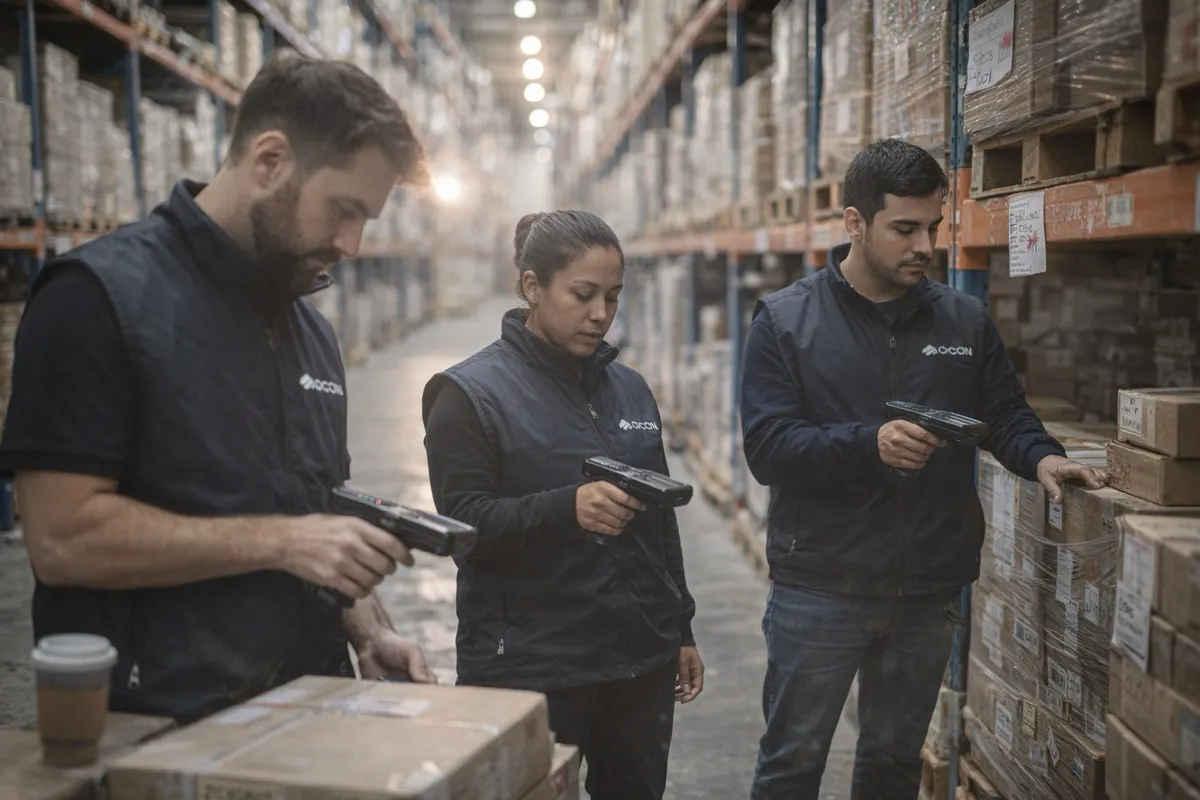
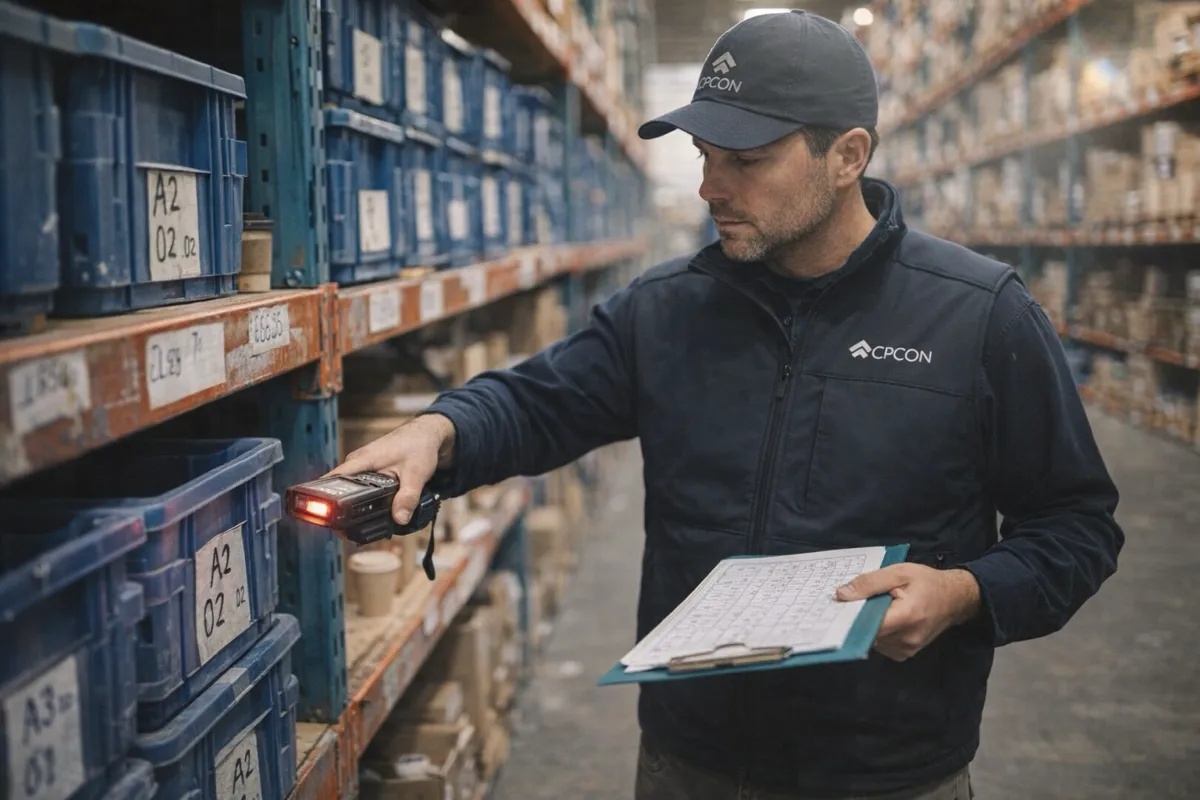
A keep-running cycle count is a program rhythm. Teams count a designed subset of locations or classes on a rolling schedule while picks, putaways, and replenishment continue under controlled rules. The goal is continuous verification without treating every day like a shutdown.
Neither approach is “better” in the abstract. The right choice depends on whether you need a single frozen proof—or continuous control that does not stop the line.
What a wall-to-wall shutdown costs operations
Even when the count itself is well run, a full stop creates operational friction:
- Backlog — orders and replenishment queues build while locations are frozen.
- Labor spikes — overtime and temporary headcount concentrate into a short window.
- Restart risk — after the count, the first shifts re-open movement and often reintroduce variance.
- Opportunity cost — production or shipping capacity is traded for a complete snapshot.
None of that means wall-to-wall is wrong. It means the cost is real and should be reserved for moments that actually require a freeze—not used as the default way to “get accurate.”
What keep-running means on an industrial floor
Keep-running (shutdown-free) cycle counting means designed locations or classes are counted on a cadence while the plant continues to pick. It is not a casual walk-through. It needs:
- Clear ownership of which locations are in today’s slice.
- Rules for movement while a location is being counted (see our companion piece on counts while picks are live).
- A path from variance to recount / root cause, not only a book adjustment.
- Cadence design that matches risk (ABC, velocity, critical spares)—covered in industrial program design.
Keep-running does not replace a wall-to-wall event when auditors or policy require a full freeze. It reduces how often you must buy that freeze just to keep books usable.
Decision frame: when to shut down vs keep running
Use a simple frame before you schedule either approach:
- Is a freeze mandatory? Year-end, statutory, insurance, or system cutover often require wall-to-wall or a controlled freeze. If yes, plan the shutdown; do not pretend a rolling count is the same evidence.
- Can locations be isolated? If you can count slices without locking the whole site, keep-running is viable.
- What breaks if picks continue? High-velocity, mixed-SKU, or poorly controlled locations may need short freezes even inside a cycle program.
- Labor windows — if you only have night crews twice a year, you may still need event counts; if you have daily capacity, invest in cadence.
For a step-by-step warehouse cycle count SOP, see How to Run Warehouse Cycle Counts. For a deeper comparison of cycle counting versus full physicals, see Cycle Count vs Wall-to-Wall Inventory (industrial framing; adapt the decision logic to your plant). For ABC program structure as a service overview, see the cycle count program page.
When the plant can’t take a wall-to-wall stop, see how CPCON runs a shutdown-free cycle count.
Frequently asked questions
When is a shutdown mandatory?+
When policy, auditors, insurers, or a system cutover require a frozen, complete snapshot. Rolling cycle counts improve ongoing control; they are not a substitute for that freeze when the freeze is the requirement.
When do rolling keep-running counts fail?+
When movement rules are vague, locations cannot be isolated, recounts never happen, or the cadence ignores high-risk classes. Method failure looks like “cycle counting doesn’t work”—usually the design is incomplete.
How is this different from a cycle count program page?+
This article decides shutdown vs keep-running. A cycle count program covers ABC cadence and program structure. Keep Running Count is the shutdown-free industrial offer when ops cannot stop.
Is this about grocery or retail shelf counts?+
No. Framing is industrial plants and warehouses. Grocery and retail shelf programs are out of scope.