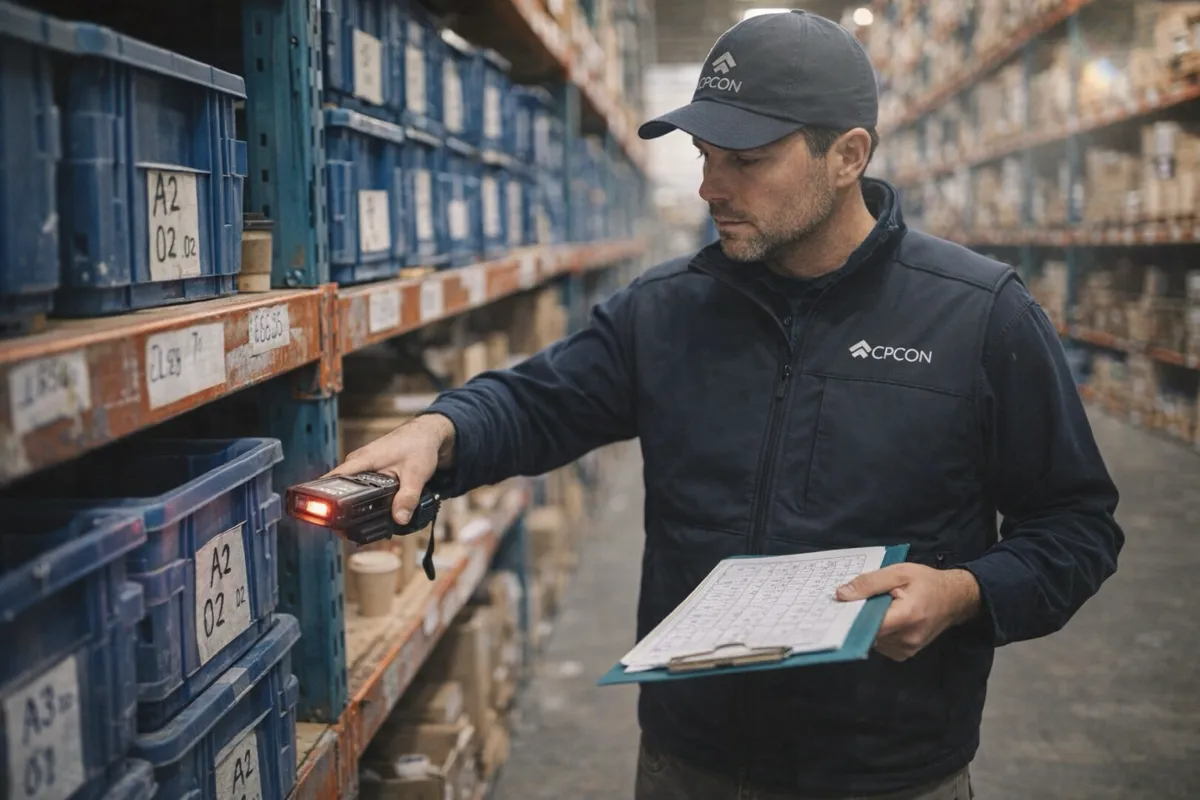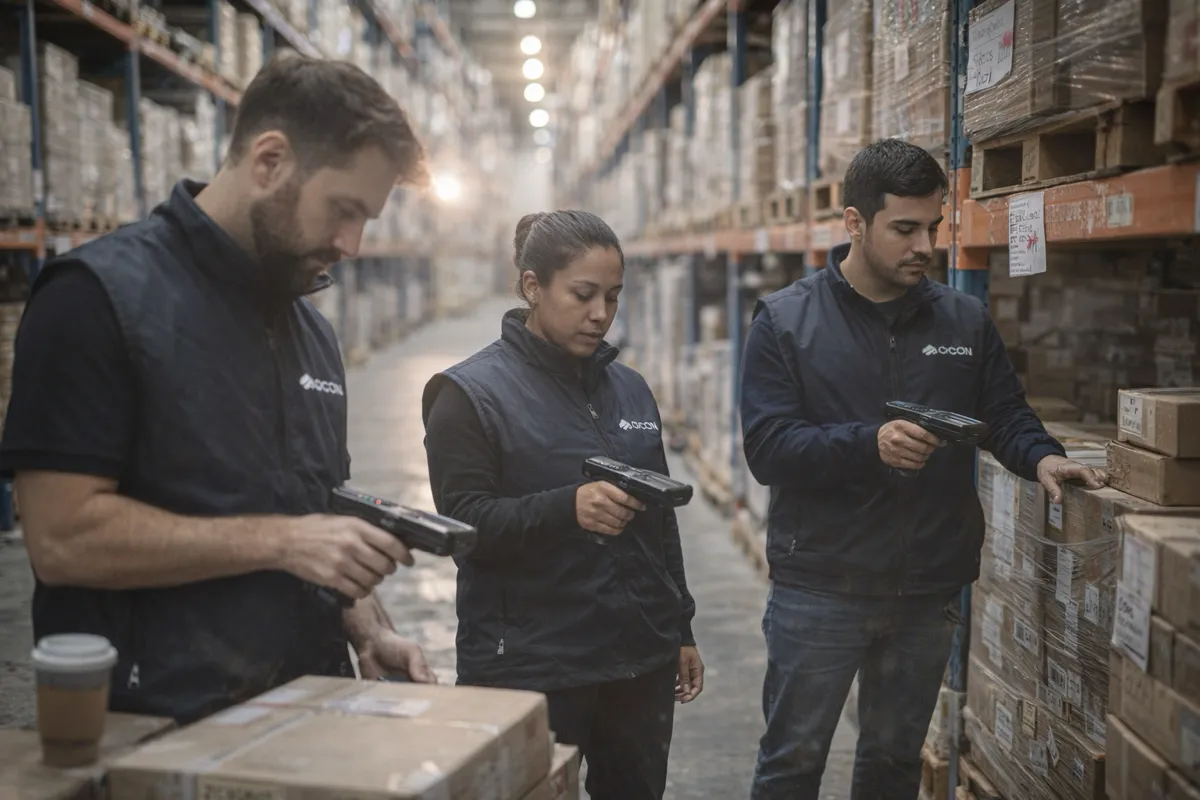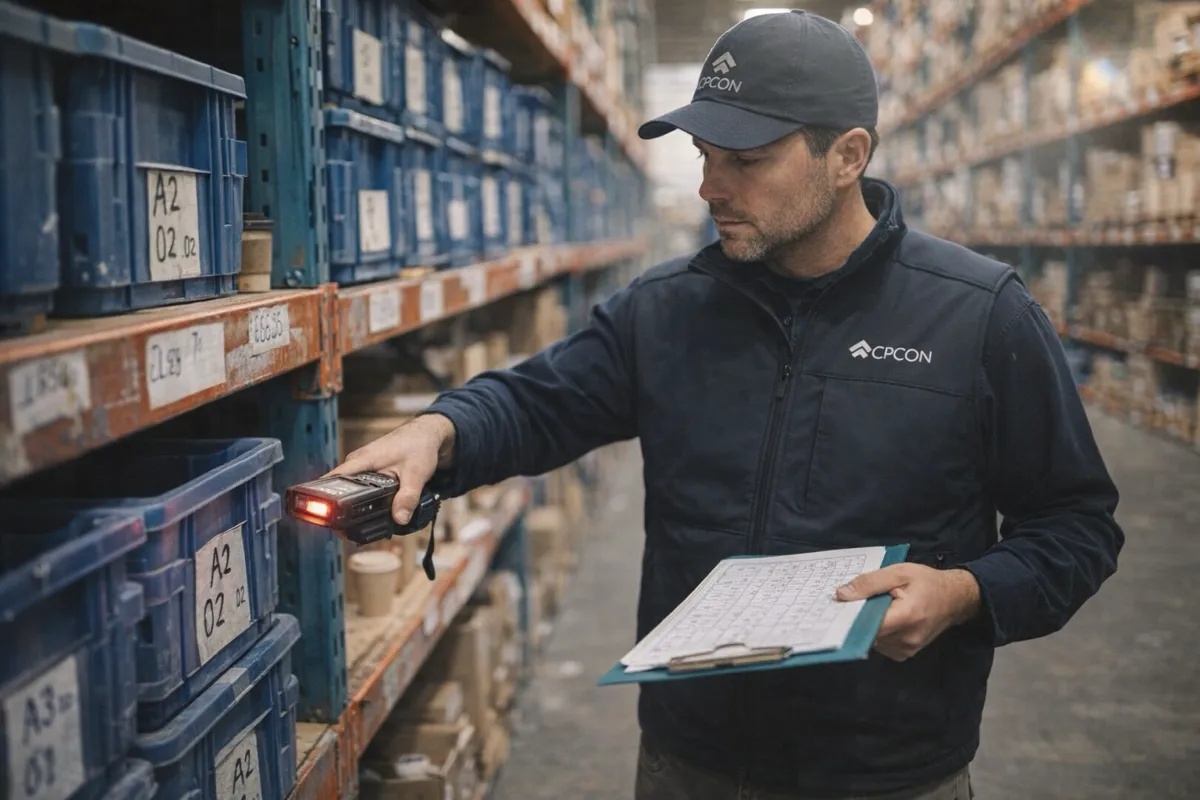
When a plant keeps picking during a cycle count, variance is not always a counting error. Sometimes the inventory moved between the system snapshot and the physical pass. Shutdown-free counting only works when teams treat movement as a method problem—not as noise to ignore.
Variance is not always a “bad count”
A blind recount that still disagrees with the book can mean:
- The counter missed a unit or location.
- The book was already wrong.
- A pick, putaway, or replenishment changed the location mid-count.
Live-pick environments make the third case common. If your process assumes a quiet aisle, live operations will manufacture false “misses” and train teams to distrust cycle counting.
Cutoff and freeze windows vs true live-pick counting
Teams usually land in one of three modes:
- Hard freeze — stop movement in the location (or zone) until the count posts. Closest to wall-to-wall logic on a small slice.
- Soft cutoff — snapshot system qty at a timestamp; movement after cutoff is tracked and reconciled before variance closes.
- True live-pick — picks continue under rules (e.g., no picks from the bin being counted; alternate bin; or scan-out required before count starts).
Shutdown-free programs use (2) and (3) far more than site-wide freezes. The rule set must be written, trained, and visible on the floor. Unwritten “be careful” is not a control.
Location control, blind counts, and second-pass recounts
Method controls that hold up under live picks:
- Location ownership — one counter owns a location until it is closed; no parallel ad-hoc counts.
- Blind counts — counters do not see book qty while counting (where WMS allows).
- Second-pass recount on variance above a defined threshold—before anyone posts an adjustment.
- Movement log — any pick that touches a location in-count is flagged for review.
These are process controls, not accuracy theater. They do not invent a percentage; they make variances explainable.
When system qty and floor qty race
WMS timing matters. If a pick confirmation posts late, the book can lag the floor—or the floor can lag the book. Count procedures should define:
- Which system quantity is authoritative at count start.
- How in-transit and staged quantities are treated.
- When to pause the location vs keep counting with a movement note.
For the full SOP backbone, use How to Run Warehouse Cycle Counts. For method selection context, see Warehouse Inventory Count Methods. For the shutdown vs keep-running decision, see Shutdown vs Keep-Running Cycle Counts.
For plants that must keep picking during the count, see how CPCON runs a shutdown-free cycle count.
Frequently asked questions
Blind count or open count?+
Prefer blind where the system supports it. Open counts invite confirmation bias, especially when picks are live and crews feel pressure to “match the book.”
A pick hits the bin mid-count. What now?+
Follow the written rule: pause and resnapshot, complete with a movement flag, or recount after the pick confirms. Do not silently adjust.
When should we escalate to wall-to-wall?+
When variance patterns show systemic location control failure, when a freeze is required for audit, or when live-pick rules cannot isolate high-risk zones.
Is this for grocery shelves?+
No. This is industrial plant and warehouse framing only.