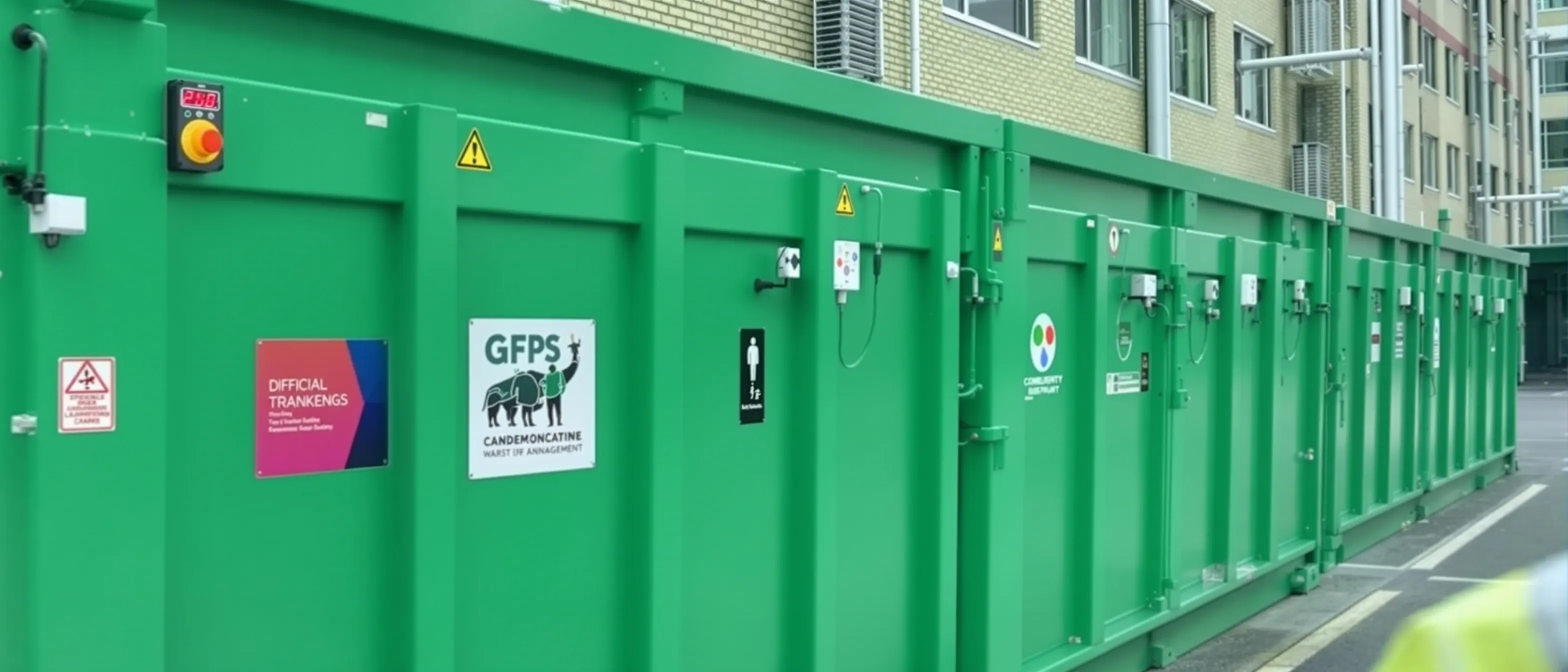
In the waste management industry, tracking dumpsters and containers across multiple locations presents unique challenges. Dumpster GPS tracking technology has emerged as a game-changing solution, enabling waste management companies to monitor their entire fleet of containers in real-time, optimize collection routes, prevent theft, and improve customer service. This comprehensive guide explores how GPS tracking transforms dumpster and container management operations.
What is Dumpster GPS Tracking?
Dumpster GPS tracking involves attaching GPS-enabled devices to waste containers, roll-off dumpsters, and other waste management assets to monitor their location, movement, and status in real-time. Unlike traditional RFID technology that requires proximity scanning, GPS tracking provides continuous location data regardless of distance.
Modern dumpster tracking systems combine GPS technology with cellular connectivity to transmit location data to cloud-based platforms, where fleet managers can view real-time positions, historical movements, and receive automated alerts. This technology is part of the broader RFID GPS tracking ecosystem that's revolutionizing asset management across industries.
Key Components of Dumpster GPS Tracking Systems
- GPS Tracking Device: Rugged, weatherproof unit designed for outdoor use with long battery life (3-7 years)
- Cellular Modem: Transmits location data via 4G/LTE networks to cloud servers
- Cloud Platform: Web-based dashboard for real-time monitoring, reporting, and analytics
- Mobile App: Field access for drivers and technicians to view container locations
- Optional Sensors: Fill-level sensors, tilt detection, and temperature monitoring
Why Track Dumpsters with GPS?
Waste management companies face unique challenges that make GPS tracking particularly valuable:
High Asset Value
Roll-off dumpsters and commercial containers represent significant capital investments, often costing $3,000-$10,000 each. With fleets numbering in the hundreds or thousands, protecting these assets is critical to profitability.
Distributed Deployment
Dumpsters are deployed across wide geographic areas at customer sites, construction projects, and temporary events. Without tracking, locating specific containers becomes time-consuming and error-prone.
Theft and Unauthorized Movement
Dumpsters are frequently stolen or moved without authorization. GPS tracking enables immediate detection and recovery, reducing losses and improving asset utilization.
Customer Service Requirements
Customers expect accurate delivery and pickup times. Real-time tracking enables better scheduling, proactive communication, and faster response to service requests.
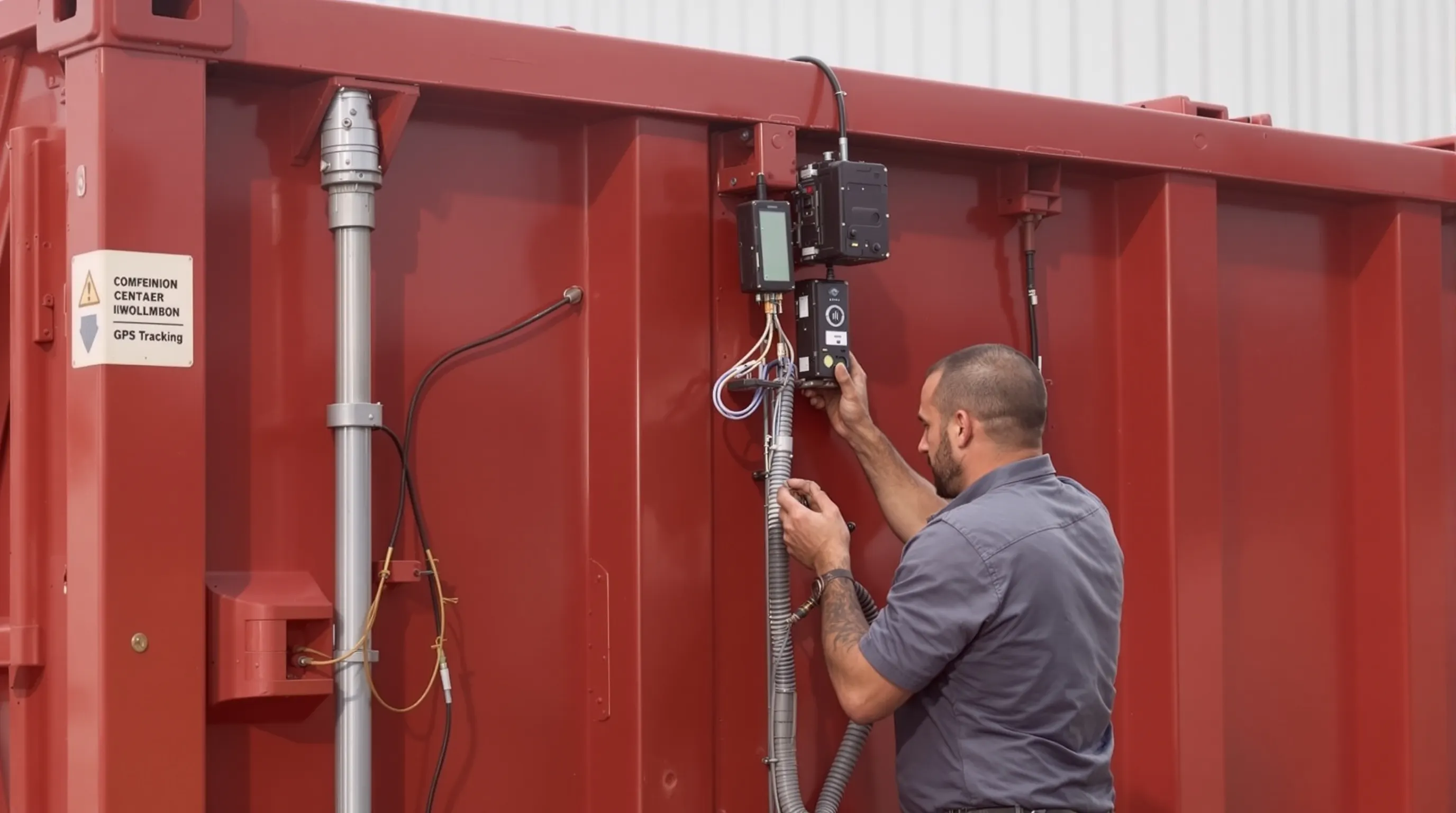
Rugged GPS trackers are designed to withstand harsh outdoor conditions
Key Benefits of Dumpster GPS Tracking
Real-Time Location Visibility
Know exactly where every dumpster is located at any moment. Eliminate time wasted searching for containers and respond instantly to customer inquiries about delivery status.
Theft Prevention and Recovery
Receive instant alerts when containers move outside designated areas. GPS data helps law enforcement recover stolen assets quickly, with recovery rates exceeding 90%.
Route Optimization
Plan efficient collection routes based on actual container locations. Reduce fuel costs, minimize drive time, and increase the number of pickups per day.
Accurate Billing and Documentation
Generate proof of delivery and pickup with timestamped location data. Resolve billing disputes quickly and maintain accurate service records for compliance.
Asset Utilization Analytics
Analyze container usage patterns to optimize fleet size. Identify underutilized assets and make data-driven decisions about equipment purchases.
Types of Dumpster GPS Tracking Devices
Different tracking solutions suit different container types and operational requirements:
Battery-Powered Trackers
Self-contained units with 3-7 year battery life. Ideal for roll-off dumpsters and containers without power access. Easy installation with industrial adhesive or bolts.
Solar-Powered Trackers
Rechargeable units with solar panels for unlimited operation. Best for containers in sunny locations. Higher upfront cost but no battery replacement needed.
Smart Sensors with GPS
Combined GPS and fill-level sensors that monitor both location and container capacity. Enable smart collection scheduling based on actual fill levels.
Hardwired Vehicle Trackers
For compactor trucks and collection vehicles. Powered by vehicle battery with continuous tracking and additional telematics data.
Implementation Best Practices
Successful dumpster GPS tracking implementation requires careful planning. Follow these best practices based on our experience with fixed asset inventory management:
Implementation Roadmap
Inventory Your Fleet
Document all containers by type, size, and current location. Establish a baseline asset verification before deploying trackers.
Select Appropriate Hardware
Choose trackers based on container types, expected battery life, and required features. Consider environmental conditions and mounting options.
Plan Installation Strategy
Determine optimal tracker placement for each container type. Train installation teams on proper mounting techniques and device activation.
Configure Geofences and Alerts
Set up virtual boundaries around customer sites, yards, and service areas. Configure alerts for unauthorized movement, low battery, and other events.
Integrate with Operations
Connect tracking data with dispatch systems, billing software, and customer portals. Train staff on using the platform for daily operations.
Geofencing for Dumpster Management
Geofencing is one of the most powerful features of dumpster GPS tracking. By creating virtual boundaries around specific locations, you can automate monitoring and receive instant alerts:
Common Geofence Applications
Customer Sites
Confirm delivery and pickup at customer locations
Company Yards
Track containers entering and leaving your facilities
Service Areas
Alert when containers leave your service territory
Disposal Sites
Verify containers reach proper disposal facilities
ROI Analysis: Is Dumpster GPS Tracking Worth It?
Organizations implementing dumpster GPS tracking typically see return on investment within 6-12 months through multiple cost savings:
Reduction in container theft losses
Decrease in time spent locating containers
Improvement in route efficiency
Reduction in billing disputes
Cost-Benefit Example
For a fleet of 500 roll-off dumpsters valued at $5,000 each ($2.5M total fleet value):
- Tracking Cost: ~$15-25/month per container = $90,000-150,000/year
- Theft Prevention: Preventing loss of just 10 containers = $50,000 saved
- Operational Efficiency: 15% route optimization = $75,000+ in fuel and labor
- Customer Retention: Improved service = reduced churn worth $100,000+
- Net Annual Benefit: $125,000-175,000 positive ROI
Integration with Asset Management Systems
Dumpster GPS tracking delivers maximum value when integrated with broader asset management practices. Following fixed asset policy best practices, organizations should:
- Maintain accurate fixed asset inventory records synchronized with GPS data
- Implement proper asset tagging alongside GPS trackers for redundant identification
- Conduct regular asset verification to ensure tracker accuracy
- Integrate GPS data with ERP systems for automated depreciation and financial reporting
- Use location history for SOX compliance documentation
Industry Applications Beyond Waste Management
While dumpster tracking is most common in waste management, similar GPS tracking solutions apply to other container-based industries:
Construction
Track roll-off containers at job sites, monitor equipment trailers, and manage portable storage units across multiple projects.
Logistics
Monitor shipping containers, intermodal units, and returnable assets throughout the supply chain.
Events
Track portable toilets, temporary fencing, and event equipment deployed at festivals, concerts, and sporting events.
Agriculture
Monitor grain bins, fertilizer tanks, and agricultural equipment across large farming operations.
Future Trends in Container Tracking
The dumpster GPS tracking landscape continues to evolve with emerging technologies:
- AI-Powered Analytics: Predictive algorithms for optimal collection scheduling and route planning
- Fill-Level Sensors: Smart containers that report when they need emptying, enabling demand-based collection
- 5G Connectivity: Faster, more reliable data transmission with lower latency
- Extended Battery Life: New battery technologies enabling 10+ year device lifespans
- Integration with Smart Cities: Connected waste management as part of broader urban IoT infrastructure
Conclusion
Dumpster GPS tracking has become an essential tool for waste management companies seeking to optimize operations, protect assets, and improve customer service. By providing real-time visibility into container locations and movements, GPS tracking enables data-driven decision-making that reduces costs and increases efficiency.
Whether you're managing a fleet of roll-off dumpsters, commercial containers, or specialized waste equipment, implementing GPS tracking delivers measurable ROI through theft prevention, route optimization, and improved asset utilization. Combined with proper asset inventory practices and policy frameworks, GPS tracking forms the foundation for world-class container fleet management.
Ready to Track Your Container Fleet?
CPCON's experts can help you design and implement a GPS tracking solution tailored to your waste management or container fleet operations. Contact us for a consultation.
Schedule a Consultation