RFID and AI-Assisted Fixed Asset Inventory
CPCON counts your fixed assets and makes your register agree with the floor. We use RFID, mobile barcode scanning and OCR tag reading at the asset. Then AI-assisted reconciliation compares the count to your fixed asset register.
Tell us about your sites and your assets, and we send a written quote.
- Team checks the exception.
- Asset found. Register updated.
- Register agrees with the floor.
What you get
- A fixed asset register that agrees with what is on the floor.
- An exception list: missing assets, assets not in the register, and moved assets.
- Asset tags that stay readable for the next count.
- A written quote before the work starts.
How the count works
OCR tag reading
OCR reads tags that a scanner cannot read.
Example data
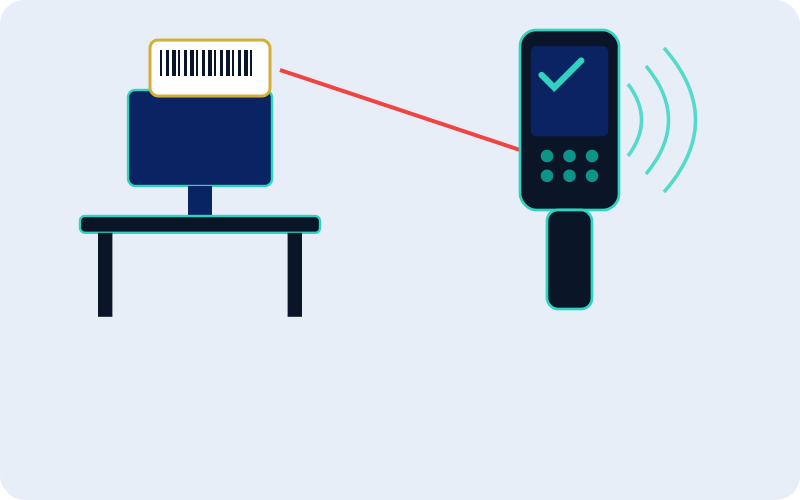
Mobile barcode scanning
Our teams scan barcode tags at the asset.
Example data
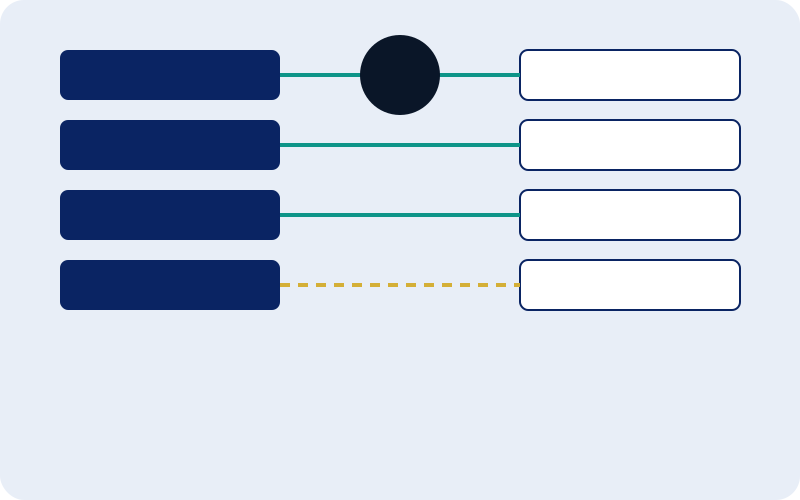
AI-assisted reconciliation
AI matches each scan to the register.
Example data
What happens in an RFID fixed asset count
Plan
we agree the scope with you, based on your register and sites.
Tag
assets with no tag or a damaged tag get a durable tag, so each asset can be found again.
Scan
the team reads the tags on site, so each asset has a found record and a location.
Reconcile
AI-assisted reconciliation compares the count to your register, so differences show up.
Resolve
you get a list of found, missing, untagged and unrecorded assets to review.
Sign off
you get a return file and a report for your controller and auditor.
We plan each count around your sites and assets. Tell us about your sites, and we send a written quote.
When RFID is the right choice
RFID reads tags without a line of sight, so it helps where assets are hard to reach: racks, ceilings, IT rooms and large plants. Barcode tags cost less and work well for assets you can reach. Many sites use both. We recommend the mix in the written quote.
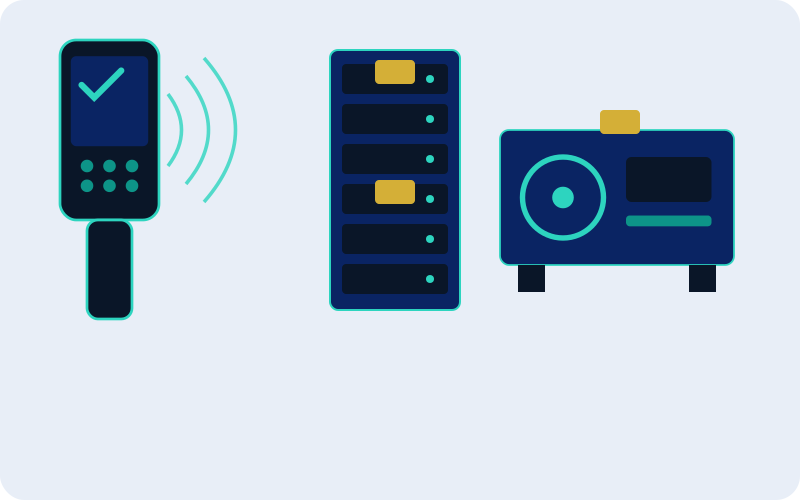
RFID
Reads many tags at a time without line of sight.
The team can read tags on assets that are stacked, high or behind other items.
RFID, barcode and OCR: what each method does
| RFID | Mobile barcode scanning | OCR tag reading | |
|---|---|---|---|
| How it reads | Radio signal, no line of sight | Camera or laser on the label | Camera reads printed tag numbers |
| Best for | Many assets in one area, assets that are hard to reach | Most assets, one by one | Old tags with no barcode, or worn barcodes |
| What it does for you | Reads tags on assets that are hard to reach or out of sight | Reads each printed tag with a mobile scanner and records the asset | Uses your current tags, so fewer need to be replaced |
We choose the method for each area after we see the site. Many sites use more than one method.
Fixed assets and industrial sites
We count equipment, IT assets, furniture and plant assets for manufacturing, warehousing and distribution, healthcare, financial services, government, and energy and utilities.
Why CPCON
- 30+ years of experience in inventory and fixed asset work.
- 2,500+ clients.
- Projects on every continent.