Returnable Assets: Optimizing Tracking Efficiency in 2026

Returnable assets—including pallets, containers, crates, kegs, cylinders, and reusable packaging—represent significant capital investments for organizations across manufacturing, logistics, retail, and distribution sectors. In 2026, optimizing the tracking and management of these assets has become critical for reducing costs, improving operational efficiency, and enhancing sustainability initiatives.
Understanding Returnable Assets
Returnable assets are reusable items that circulate through supply chains, moving between facilities, customers, and partners before returning to their origin point. Unlike single-use packaging, these assets are designed for multiple cycles, offering economic and environmental benefits when properly managed.
Common examples include wooden and plastic pallets, intermediate bulk containers (IBCs), reusable plastic containers (RPCs), metal racks, beverage kegs, gas cylinders, and specialized transport equipment. These assets often represent millions of dollars in capital investment, yet many organizations struggle with visibility, loss rates, and inefficient utilization.
The Challenge of Returnable Asset Management
Asset Loss and Shrinkage
One of the most significant challenges organizations face is asset loss. Returnable assets frequently disappear into supply chains, ending up at wrong locations, being retained by customers longer than necessary, or simply vanishing without trace. Industry studies suggest that loss rates can range from 5% to 30% annually, depending on asset type and management practices.
This shrinkage directly impacts profitability, requiring continuous replacement purchases and disrupting operations when assets are unavailable. The financial impact extends beyond replacement costs to include expedited shipping fees, production delays, and customer service issues when assets cannot be located or retrieved promptly.
Lack of Visibility
Traditional manual tracking methods—paper logs, spreadsheets, or basic barcode systems—provide insufficient visibility into asset locations, conditions, and utilization patterns. Without real-time data, organizations cannot answer fundamental questions: Where are our assets? How many are in circulation? Which customers have the most assets? When will assets return?
This visibility gap leads to over-purchasing to compensate for uncertainty, inefficient asset allocation, and missed opportunities to optimize pool sizes. Organizations often maintain larger asset pools than necessary simply because they lack confidence in their ability to track and retrieve assets effectively.
Inefficient Utilization
Poor tracking contributes to suboptimal asset utilization. Assets may sit idle at customer locations while other facilities face shortages. Unbalanced distribution creates unnecessary transportation costs as assets must be repositioned to meet demand. Without data-driven insights, organizations struggle to right-size their asset pools and optimize deployment strategies.
Modern Solutions for Returnable Asset Tracking
RFID Technology
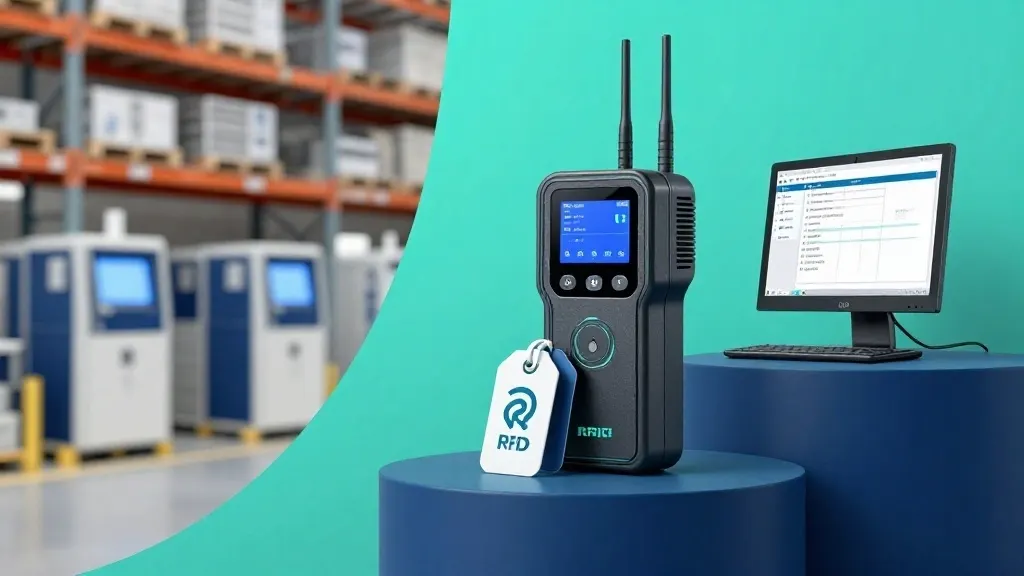
Radio-frequency identification (RFID) has emerged as the gold standard for returnable asset tracking. RFID tags attached to assets enable automatic identification and tracking without line-of-sight requirements or manual scanning. Passive RFID tags, which require no battery, offer cost-effective tracking for most applications, while active tags with GPS capabilities provide real-time location data for high-value assets.
RFID readers installed at strategic points—loading docks, facility gates, production lines—automatically capture asset movements, creating detailed audit trails without human intervention. This automation dramatically improves data accuracy while reducing labor costs associated with manual tracking processes.
IoT Sensors and Smart Assets
Internet of Things (IoT) sensors transform returnable assets into intelligent devices that communicate their status, location, and condition. Temperature sensors on refrigerated containers ensure cold chain compliance. Shock sensors detect handling damage. Fill-level sensors on bulk containers optimize collection routes by identifying assets ready for pickup.
GPS-enabled tracking devices provide real-time location data for high-value assets moving through extended supply chains. Cellular or satellite connectivity enables continuous monitoring, alerting stakeholders to exceptions like unexpected route deviations, extended dwell times, or unauthorized movements.
Cloud-Based Asset Management Platforms
Modern asset management platforms aggregate data from multiple sources—RFID readers, IoT sensors, barcode scans, manual entries—into unified dashboards that provide comprehensive visibility. Cloud-based architecture enables access from anywhere, facilitating collaboration across distributed teams and supply chain partners.
These platforms offer powerful analytics capabilities, identifying trends, predicting asset requirements, and recommending optimization strategies. Automated alerts notify stakeholders of exceptions requiring attention, such as assets overdue for return, unusual loss patterns, or maintenance requirements.
Best Practices for Optimization
Implement Comprehensive Tagging Programs
Successful returnable asset management begins with comprehensive tagging. Every asset should receive a unique identifier—RFID tag, barcode, or QR code—that enables tracking throughout its lifecycle. Tag selection should consider environmental conditions, read range requirements, durability needs, and cost constraints.
Establish standardized tagging procedures to ensure consistency. Document tag placement locations, application methods, and quality verification steps. Train personnel on proper tagging techniques and implement quality control checks to verify tag readability and adhesion.
Establish Clear Policies and Agreements
Define clear policies governing returnable asset usage, including maximum retention periods, return procedures, and financial responsibilities for lost or damaged assets. Incorporate these terms into customer agreements and supplier contracts, ensuring all parties understand their obligations.
Implement deposit or rental fee structures that incentivize timely returns. Regular reconciliation processes should verify asset balances with customers and trigger follow-up actions for overdue returns. Automated billing systems can streamline financial settlements for lost or damaged assets.
Optimize Pool Sizing and Distribution
Use historical data and predictive analytics to determine optimal asset pool sizes. Consider seasonal demand variations, lead times for asset returns, and safety stock requirements. Regular analysis should identify opportunities to reduce pool sizes without compromising service levels.
Strategic positioning of assets across the network minimizes transportation costs and improves responsiveness. Analyze demand patterns to identify optimal stocking locations. Implement rebalancing procedures to address imbalances before they impact operations.
Monitor Key Performance Indicators
Establish KPIs that provide insight into asset management effectiveness. Critical metrics include loss rate, average cycle time, utilization rate, cost per trip, and return compliance rate. Regular reporting and trend analysis help identify improvement opportunities and measure the impact of optimization initiatives.
Industry Applications
Beverage Industry
Beverage manufacturers manage vast fleets of kegs, bottles, and crates circulating through distribution networks. RFID tracking enables precise inventory management, ensures proper rotation, and facilitates efficient collection. Real-time visibility helps optimize keg pool sizes and reduce capital tied up in excess inventory.
Automotive Manufacturing
Automotive manufacturers rely on specialized racks, containers, and pallets to transport components between suppliers and assembly plants. Precise tracking ensures just-in-time delivery, prevents production disruptions, and optimizes the substantial capital invested in these specialized assets.
Retail and Grocery
Retailers use reusable plastic containers (RPCs) and roll cages to move products from distribution centers to stores. Tracking systems ensure efficient circulation, reduce loss, and provide data for supplier chargebacks. Integration with warehouse management systems streamlines receiving and shipping processes.
Measuring Return on Investment
Implementing advanced returnable asset tracking systems requires investment in technology, infrastructure, and process changes. However, the return on investment typically materializes quickly through multiple benefit streams:
Reduced asset loss directly improves bottom-line profitability. Organizations commonly report 50-80% reductions in loss rates after implementing RFID tracking. Improved utilization enables pool size reductions of 15-30%, freeing capital for other investments. Labor savings from automation reduce operational costs. Better visibility improves customer service and reduces expediting costs.
Environmental benefits also contribute to ROI through reduced waste, lower carbon footprint from optimized transportation, and enhanced corporate sustainability credentials that appeal to environmentally conscious customers and investors.
Future Trends
The future of returnable asset management will see continued technology advancement. Artificial intelligence will enable predictive maintenance, forecasting when assets require repair or replacement before failures occur. Blockchain technology may provide immutable audit trails for asset movements across complex supply chains involving multiple parties.
Digital twins—virtual representations of physical assets—will enable sophisticated simulation and optimization. Organizations will model different scenarios, testing strategies before implementation. Integration with autonomous vehicles and robotics will further automate asset handling and tracking processes.
Conclusion
Optimizing returnable asset tracking efficiency in 2026 requires embracing modern technology, implementing best practices, and fostering collaboration across supply chain partners. Organizations that invest in comprehensive tracking solutions position themselves for significant financial benefits, operational improvements, and competitive advantages.
The combination of RFID technology, IoT sensors, cloud-based platforms, and data analytics transforms returnable asset management from a cost center into a strategic capability. By achieving visibility, reducing loss, and optimizing utilization, organizations unlock substantial value from assets that were previously difficult to track and manage effectively.
Tiago Jeveaux
Chief Operating Officer
Tiago Jeveaux oversees global operations at CPCON Group, driving innovation in asset tracking and supply chain optimization. With deep expertise in RFID technology and IoT solutions, Tiago helps organizations transform their returnable asset management programs through strategic technology implementation and process improvement.