Business personal property tax in Wilson County is assessed from what sits on the county listing — usually fed by the company’s fixed-asset list and the location of use — not from what a counter can still find on the plant floor.
That gap is where ghost fixed assets keep costing cash. A ghost is a register line for equipment that is gone from the floor (scrapped, sold, transferred, lost) but still carried as taxable business personal property. Until existence is verified, location is correct for Wilson County situs, and disposals are tagged and retired, the next listing can keep billing lines that no longer exist.
Local one-liner: Wilson County still taxes what was on the listing as of January 1st — not what a walkthrough can still find on the floor.
This flank applies the same existence → location → disposal → roll chain as our personal property tax on ghost fixed assets pillar to Wilson County’s listing desk. For detection methodology, see ghost asset detection. Accounting write-offs matter for the books — see our asset write-off and retirement guide — but listing relief requires those retirements to show up on the Wilson County listing, not only an internal journal entry.
File with Wilson County — NCDOR publishes forms, not your filing desk
Each year, as of January 1st, businesses owning or possessing personal property used or connected with a business must list with Wilson County per N.C.G.S. 105-306. The North Carolina Department of Revenue (NCDOR) publishes the statewide business personal property listing form. The filing destination is the county — Wilson County Tax Department — not NCDOR.
For tax year 2026, Wilson County states the listing period runs January 1–31, 2026. Forms returned or USPS postmarked by February 2, 2026 are treated as timely (January 31 falls on a weekend). The county mailed forms by January 2, 2026 for 2025 listers.
Wilson County’s business personal property categories include Machinery & Equipment, Computer Equipment, Office Furniture & Fixtures, CIP, Supplies, Expensed Items, and Leasehold Improvement. Expensed items stay on the listing when they were used or connected with the business as of January 1st.
Sources: Wilson County Business Personal Property; 2026 Tax Listing Notice; Wilson County personal property forms; N.C.G.S. 105-306; NCDOR 2026 Business Personal Property Listing Form hub.
Existence — listing lines must match the floor as of January 1
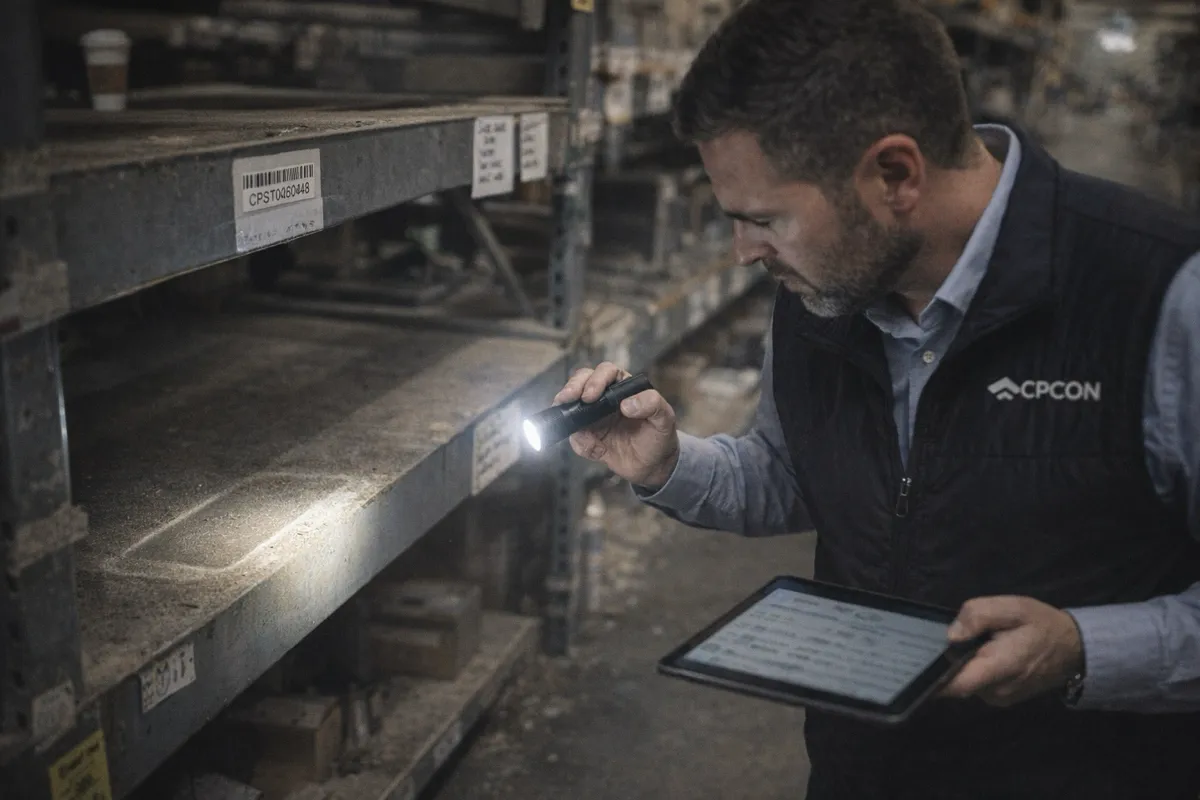
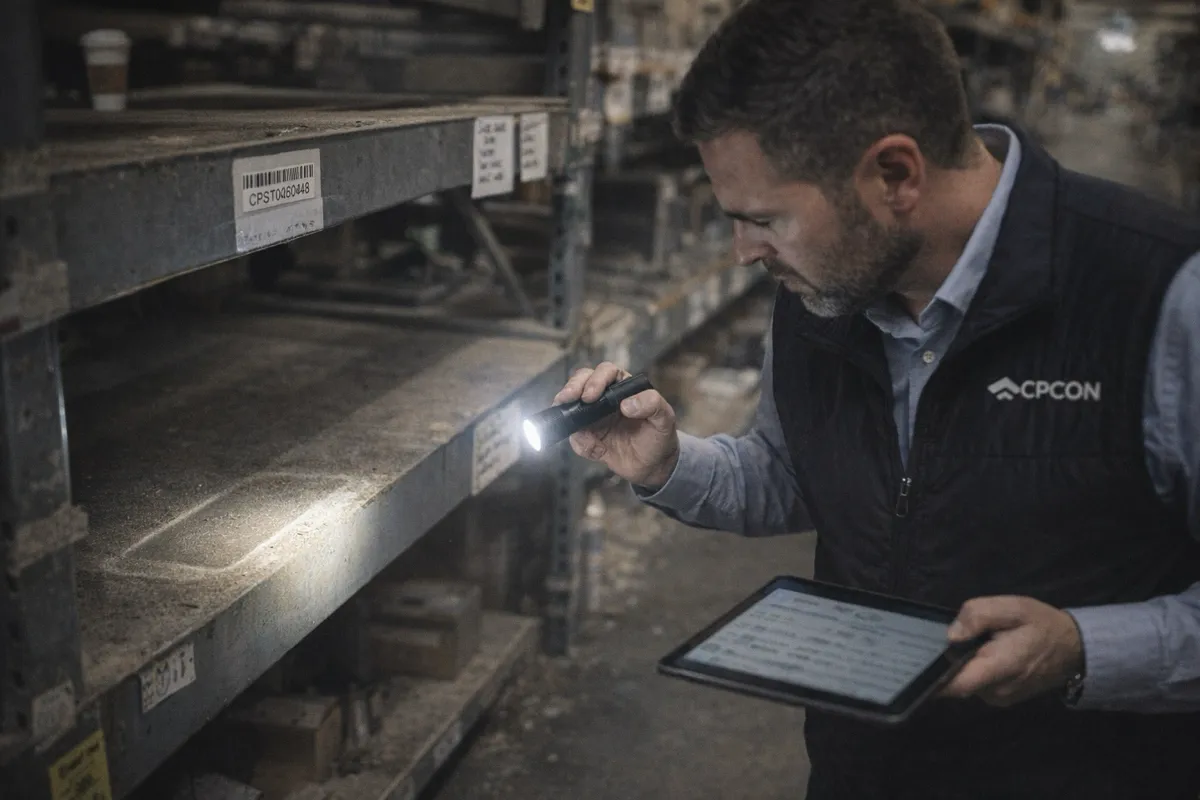
Physical fixed-asset inventory (file-to-floor and floor-to-file as needed) answers the listing question Wilson County will not walk your plant to answer: which register lines still existed as tangible personal property in this county as of January 1st?
- Lines that fail a disciplined search become disposal / ghost candidates — not silent keepers on the next Wilson County listing
- Untagged or unverified populations are the highest-risk keepers: the county sees your list, not your floor
- Durable tags (barcode / RFID / permanent ID) make the next count and the next listing reconcilable instead of anecdotal — see our asset tagging guide
Existence evidence is what lets tax and finance teams support a line removal or a “not owned or possessed as of January 1st” correction on the Wilson County listing. For how ghosts accumulate on the register, see ghost asset detection.
Location — situs inside Wilson County
Wilson County taxes business personal property situated or used in the county as of January 1st. Wrong location fields on the register create two cash risks:
- Filing into the wrong county listing
- Duplicate exposure when a Wilson site still carries equipment that physically moved, or a sister plant still carries equipment that sits in Wilson
Tagging programs that update location / cost center / plant as part of the count are situs controls. The location on the tag and in the register must match the Wilson County site the listing covers.
Disposal — remove ghosts before the listing is certified
Scrapped, sold, transferred, or stolen assets need a closed field + finance loop before the January listing window closes:
- Field evidence (not-found after protocol, scrap photo, bill of sale, transfer ticket)
- Approval / disposal workflow
- Register retirement
- Explicit reflection on the next Wilson County listing (line-outs of previously listed items, additions, and category totals)
Without disposal tags reaching the next listing, Wilson County still sees taxable personal property. A journal entry alone — see the write-off and retirement entries — does not finish the job if last year’s cost still sits on the county list.
Tax roll — evidence that feeds the county list
The deliverable that stops the cash leak is not a spreadsheet of “proposed ghosts.” It is a listing package built from a cleaned register:
- Population owned or possessed as of January 1st
- Correct Wilson County situs / location
- Acquisitions added in the right BPP category
- Disposals removed with enough identity (description, year acquired, cost) for the county schedules
That package has to reach the Wilson County listing desk. Statewide NCDOR forms do not replace a county list that still carries disposed equipment.
CPCON’s role is operational evidence for your tax and filing team — independent fixed-asset inventory, tagging, and register reconciliation. CPCON is not your tax counsel and does not file personal property tax returns on your behalf. Final positions belong to your finance leadership and advisors.
Explore fixed asset inventory and reconciliation when you want an assessment of register-to-floor gaps before the next Wilson County listing window. The mechanism that connects floor work to the roll is the same one in the ghost-asset personal property tax pillar.
Frequently asked questions
When is the Wilson County business personal property listing window for tax year 2026?
Wilson County states the 2026 listing period runs January 1–31, 2026. Forms returned or USPS postmarked by February 2, 2026 are treated as timely because January 31 falls on a weekend. The listing is as of January 1st with Wilson County per N.C.G.S. 105-306. NCDOR publishes the statewide forms; the filing desk is the county.
Do expensed items have to appear on the Wilson County business personal property listing?
Yes. Wilson County’s business personal property categories include Expensed Items, alongside Machinery & Equipment, Computer Equipment, Office Furniture & Fixtures, CIP, Supplies, and Leasehold Improvement. Expensing an item for book or income-tax purposes does not take it off the county listing if it was used or connected with the business as of January 1st.
Why is Wilson County still taxing equipment we already disposed of?
Because the county listing follows the lines you report (or previously reported) as of January 1st, not a walkthrough of the floor. If a disposal never updated the register and never reached the Wilson County listing, the line can remain taxable even though the asset is gone.
Does a fixed-asset inventory by itself update the Wilson County listing?
No. Inventory and tagging create existence, location, and disposal evidence. The listing changes when that evidence is posted to the register and reflected on the next Wilson County business personal property listing — not when a count spreadsheet is filed internally.
Can CPCON file our Wilson County personal property listing?
No. CPCON provides fixed-asset inventory, tagging, and register reconciliation evidence. Your finance team and tax advisors own the Wilson County listing. CPCON is not tax counsel and does not file PPT returns.