Medical Equipment Inventory: Compliance and Best Practices
Ensure regulatory compliance and operational efficiency with proven medical equipment inventory management strategies for healthcare organizations.

Francisco Canton
Managing Director, Madrid
Francisco leads CPCON's Iberia and European operations from Madrid, bringing extensive experience in healthcare asset management and regulatory compliance. He has helped over 100 healthcare facilities across Europe and Latin America implement compliant and efficient medical equipment inventory systems that improve patient care while reducing costs.
Healthcare organizations face unique challenges when managing medical equipment inventory. Unlike other industries, healthcare must balance operational efficiency with strict regulatory compliance, patient safety, and the critical nature of equipment availability. A ventilator that can't be located during an emergency or an infusion pump with expired calibration can have life-or-death consequences.
This comprehensive guide explores the regulatory landscape, essential components of medical equipment inventory management, and best practices that leading healthcare organizations use to maintain compliance while optimizing their equipment investments.
The Regulatory Landscape
The Joint Commission Requirements
The Joint Commission (TJC) sets rigorous standards for medical equipment management that healthcare organizations must meet to maintain accreditation. Key requirements include maintaining a complete inventory of all medical equipment, implementing a planned maintenance program, documenting equipment performance and safety testing, and ensuring staff competency in equipment operation.
TJC surveyors specifically look for evidence that organizations can locate equipment quickly, demonstrate maintenance compliance, and show that equipment-related incidents are properly investigated and addressed. Failure to meet these standards can result in citations, conditional accreditation, or loss of accreditation entirely.
FDA Medical Device Regulations
The FDA regulates medical devices throughout their lifecycle, from manufacturing to disposal. Healthcare organizations must comply with requirements for device tracking, adverse event reporting (MDR - Medical Device Reporting), and recall management. When the FDA issues a recall, organizations must be able to quickly identify affected devices, remove them from service, and document corrective actions.
Class I recalls, which involve devices that could cause serious health consequences or death, require immediate action. Organizations without robust inventory systems may struggle to identify all affected devices, potentially leaving dangerous equipment in circulation.
CMS Conditions of Participation
The Centers for Medicare & Medicaid Services (CMS) establishes Conditions of Participation that healthcare facilities must meet to receive Medicare and Medicaid reimbursement. These include requirements for equipment maintenance, safety, and infection control. CMS surveys can result in termination of Medicare participation for facilities that fail to maintain compliant equipment management programs.
State and Local Requirements
Beyond federal requirements, healthcare organizations must comply with state health department regulations, local fire codes, and other jurisdiction-specific requirements. These may include specific documentation requirements, inspection frequencies, and reporting obligations that vary by location.
Essential Components of Medical Equipment Inventory
Comprehensive Asset Registry
A complete and accurate asset registry forms the foundation of medical equipment management. Each device should be documented with:
- Unique Identifier: Asset tag number, serial number, or both
- Device Information: Manufacturer, model, description, and classification
- Location Data: Building, floor, department, and room
- Acquisition Details: Purchase date, cost, vendor, and warranty information
- Maintenance Requirements: PM schedule, calibration requirements, and service history
- Regulatory Classification: FDA class, risk category, and applicable standards
- End-of-Life Information: Expected useful life, replacement planning, and disposal requirements
Real-Time Location Systems (RTLS)
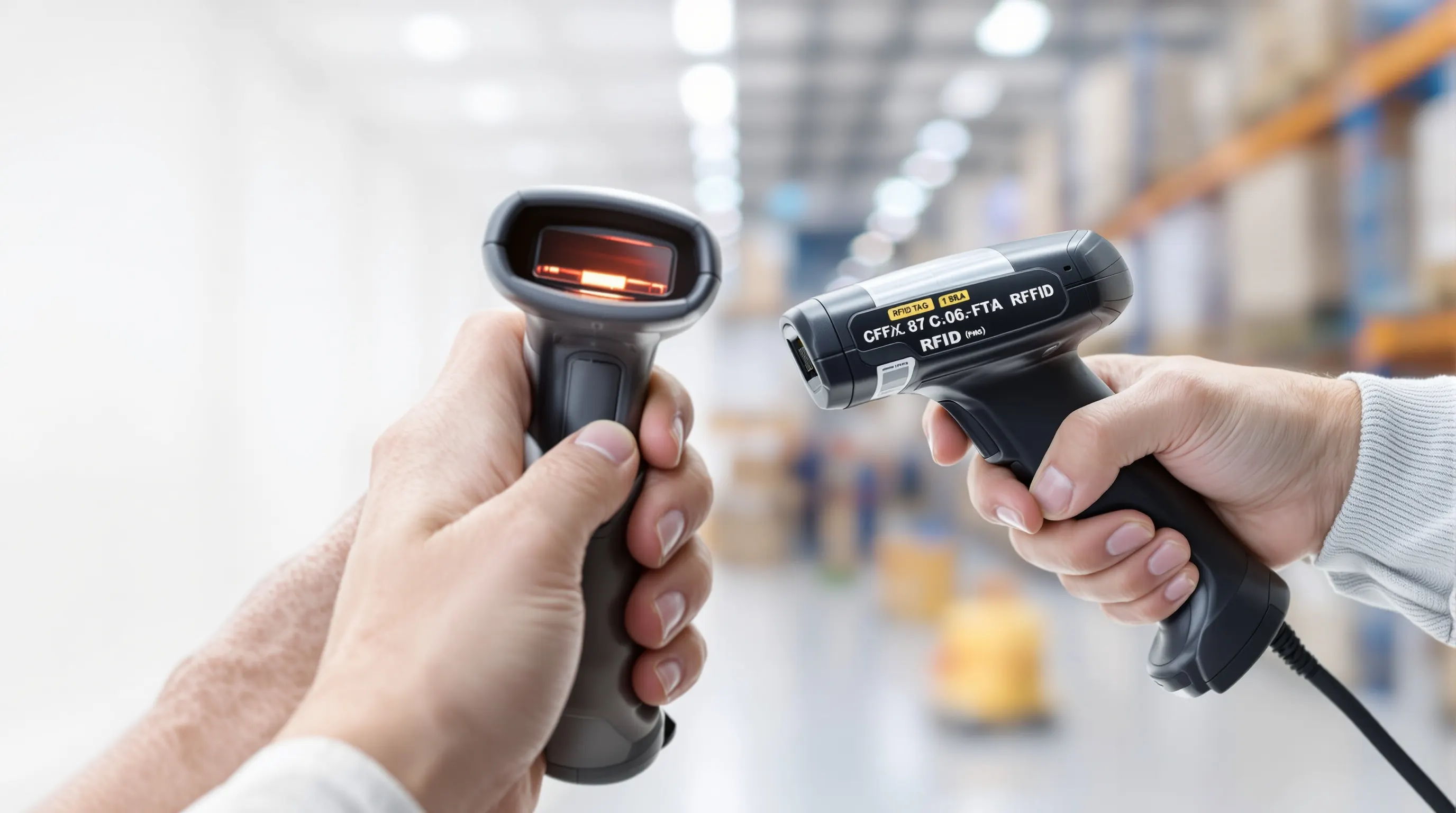
Many healthcare organizations are implementing RTLS technology to track equipment location in real-time. These systems use technologies like RFID, infrared, ultrasound, or Bluetooth to provide continuous visibility into equipment whereabouts. Benefits include reduced search time for clinical staff, improved equipment utilization, theft prevention, and automated PAR level management.
RTLS can also support infection control by tracking equipment movement between isolation rooms and general areas, ensuring proper cleaning protocols are followed.
Computerized Maintenance Management System (CMMS)
A robust CMMS is essential for managing preventive maintenance, work orders, and compliance documentation. The system should automate PM scheduling based on manufacturer recommendations and regulatory requirements, track work order completion and technician productivity, maintain complete service history for each device, generate compliance reports for surveyors and auditors, and integrate with inventory systems for parts management.
Integration with Clinical Systems
Medical equipment inventory should integrate with other clinical systems including Electronic Health Records (EHR) for device-patient associations, nurse call systems for equipment requests, supply chain systems for consumables and accessories, and financial systems for depreciation and capital planning.
Best Practices for Compliance
1. Establish Clear Ownership and Accountability
Designate clear ownership for medical equipment management at both organizational and departmental levels. The Clinical Engineering or Biomedical Engineering department typically owns the overall program, but department managers should be accountable for equipment within their areas. Define roles and responsibilities in writing, including who can request new equipment, who approves purchases, who is responsible for daily checks, and who reports problems.
2. Implement Risk-Based Maintenance Strategies
Not all equipment requires the same level of maintenance attention. Implement a risk-based approach that considers equipment function (life support, diagnostic, therapeutic), physical risk to patients and staff, maintenance requirements and failure modes, and environmental factors affecting performance.
High-risk equipment like ventilators, defibrillators, and anesthesia machines requires more frequent inspection and maintenance than lower-risk devices. Document your risk assessment methodology and apply it consistently across all equipment.
3. Maintain Meticulous Documentation
Documentation is the cornerstone of compliance. If it isn't documented, it didn't happen—at least in the eyes of surveyors and regulators. Ensure documentation includes complete service records with dates, findings, and corrective actions, incoming inspection results for new equipment, user training records and competency verification, incident reports and investigation findings, and recall response documentation.
Implement electronic documentation systems that create audit trails and prevent unauthorized modifications. Paper-based systems are increasingly difficult to maintain and search during surveys.
4. Conduct Regular Inventory Audits
Physical inventory audits verify that your records match reality. Conduct comprehensive audits at least annually, with more frequent cycle counts for high-value or high-risk equipment. Audits should verify equipment location and condition, confirm asset tag presence and readability, identify equipment not in the system (ghost assets), and find missing equipment that should be in service.
Use audit findings to improve processes and prevent future discrepancies. Recurring issues indicate systemic problems that need addressing.
5. Develop Robust Recall Management Processes
When recalls occur, you need to respond quickly and completely. Establish processes to receive and review recall notifications promptly, identify all affected devices in your inventory, remove or quarantine affected equipment, implement required corrective actions, document all response activities, and communicate with affected departments and staff.
Subscribe to FDA recall notifications and manufacturer alerts. Designate responsibility for monitoring recalls and initiating response procedures.
6. Train Staff Continuously
Equipment is only as safe as the people operating it. Implement comprehensive training programs that include initial competency verification for new staff, annual competency reassessment, training on new equipment before deployment, and documentation of all training activities.
Use a variety of training methods including hands-on practice, simulation, e-learning, and manufacturer-provided training. Ensure training records are easily accessible for survey purposes.
Common Compliance Challenges
Challenge: Equipment Hoarding
Clinical departments often hoard equipment to ensure availability when needed, leading to poor utilization and difficulty locating devices. Solution: Implement PAR level management with RTLS tracking, create equipment pools for shared resources, and educate staff on the costs and risks of hoarding behavior.
Challenge: Incomplete Maintenance Records
Gaps in maintenance documentation create compliance risk and make it difficult to demonstrate program effectiveness. Solution: Implement electronic work order systems with required fields, establish accountability for documentation completion, and conduct regular audits of maintenance records.
Challenge: Uncontrolled Equipment Acquisition
Equipment acquired outside normal channels—donations, grants, physician-owned devices—may not be properly inventoried or maintained. Solution: Establish policies requiring all equipment to go through Clinical Engineering before deployment, regardless of funding source. Conduct periodic sweeps to identify unregistered equipment.
Challenge: Aging Equipment Fleet
Older equipment may lack manufacturer support, have higher failure rates, and not meet current safety standards. Solution: Implement lifecycle management with planned replacement schedules, prioritize replacement based on risk and criticality, and budget adequately for capital equipment renewal.
Technology Trends in Healthcare Equipment Management
Internet of Medical Things (IoMT)
Connected medical devices can report their own status, location, and usage data automatically. This enables predictive maintenance based on actual device condition, automated compliance reporting, real-time utilization analytics, and remote monitoring and diagnostics.
Artificial Intelligence and Machine Learning
AI is being applied to medical equipment management for predictive maintenance that anticipates failures before they occur, optimal equipment allocation based on demand patterns, automated anomaly detection in equipment performance, and intelligent scheduling of maintenance activities.
Cloud-Based Management Platforms
Cloud solutions offer advantages including easier integration across facilities and systems, automatic updates and compliance with latest standards, scalability without infrastructure investment, and enhanced disaster recovery and business continuity.
Measuring Program Effectiveness
Track key performance indicators to demonstrate compliance and identify improvement opportunities:
- PM Completion Rate: Percentage of scheduled maintenance completed on time (target: 95%+)
- Equipment Uptime: Percentage of time equipment is available for use
- Mean Time Between Failures: Average time between equipment breakdowns
- Mean Time to Repair: Average time to return equipment to service
- Inventory Accuracy: Percentage of records matching physical inventory
- Recall Response Time: Time from recall notification to completion of corrective action
- Training Compliance: Percentage of staff with current competency documentation
Conclusion
Medical equipment inventory management is a critical function that directly impacts patient safety, regulatory compliance, and operational efficiency. Success requires a systematic approach that combines comprehensive asset tracking, rigorous maintenance programs, meticulous documentation, and continuous improvement.
The regulatory landscape will continue to evolve, and healthcare organizations must stay current with changing requirements. Technology offers powerful tools to improve visibility, automate compliance, and optimize equipment utilization—but technology alone isn't enough. Strong processes, clear accountability, and a culture of compliance are equally essential.
By implementing the best practices outlined in this guide, healthcare organizations can build equipment management programs that protect patients, satisfy regulators, and support the delivery of high-quality care. The investment in robust medical equipment inventory management pays dividends in reduced risk, improved efficiency, and peace of mind during surveys and audits.