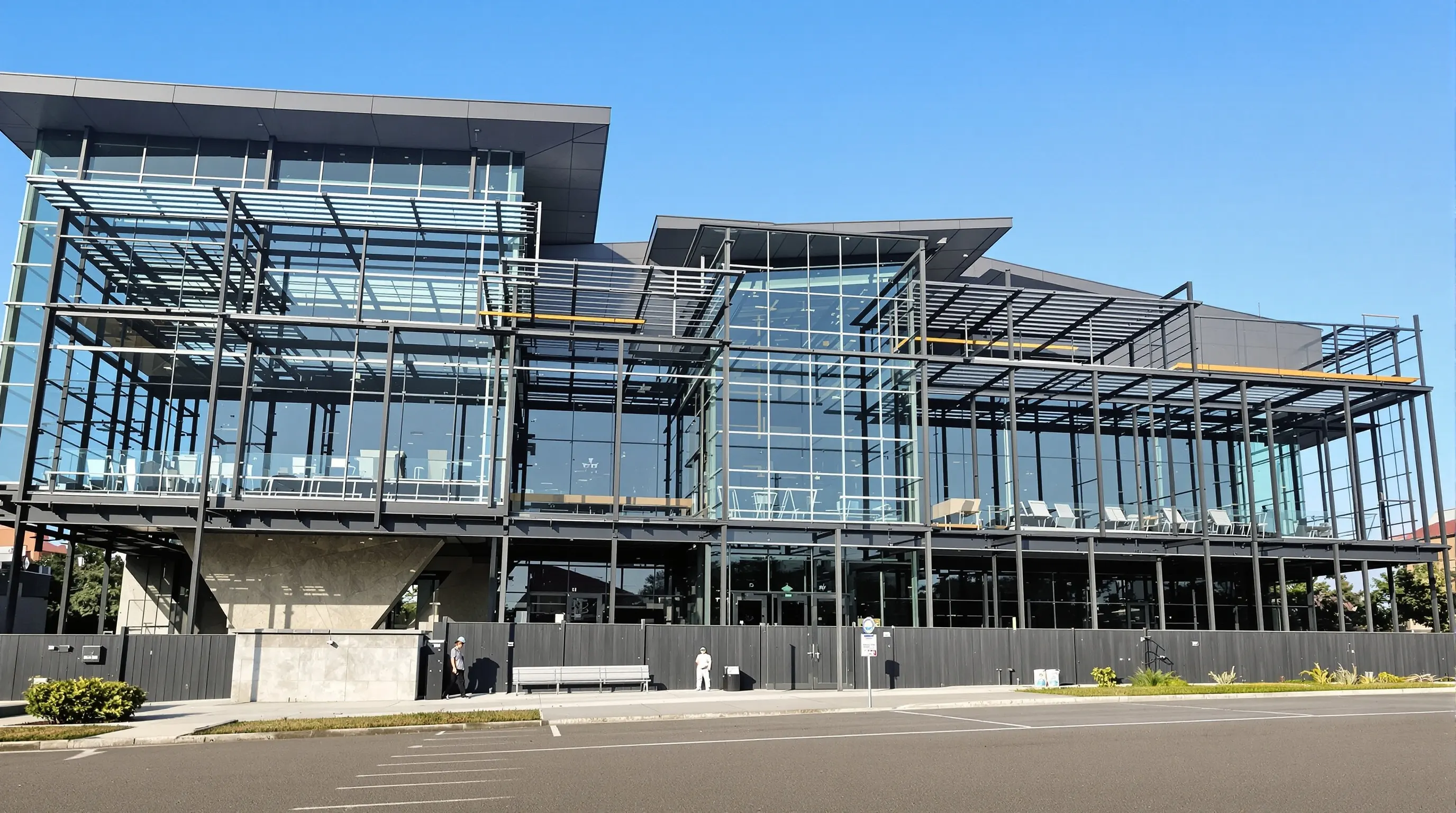
Cost Segregation Study Services
CPCON delivers engineering-based cost segregation studies that accelerate depreciation deductions, improve cash flow, and reduce tax liability. Our studies meet the highest IRS standards for defensibility.
Request a Consultation
Speak with our valuation experts today
Unlocking Hidden Tax Savings
Most property owners overpay taxes by depreciating building components over 39 years when shorter recovery periods apply. CPCON identifies every opportunity.
Maximizing Depreciation Benefits
Standard depreciation schedules often assign 39-year lives to building components that qualify for 5, 7, or 15-year recovery periods, leaving significant tax savings unrealized.
Identifying Qualifying Components
Distinguishing between structural and non-structural building components requires engineering expertise and detailed knowledge of IRS guidelines and court precedents.
IRS Audit Defense
Cost segregation studies face increasing IRS scrutiny. Studies must be prepared by qualified professionals using methodologies that meet the IRS Audit Techniques Guide standards.
Timing Optimization
Determining the optimal time to perform a study—at acquisition, construction completion, or retroactively via a catch-up method—requires strategic tax planning coordination.
Bonus Depreciation Changes
Phase-down of 100% bonus depreciation and evolving tax legislation require careful analysis of timing strategies to maximize first-year deductions before rates decline.
Engineering-Based Analysis
The IRS requires engineering-based cost segregation studies. Desktop or estimate-based approaches lack the detail and defensibility needed to withstand examination.
Engineering-Based Cost Segregation
Our team of engineers and tax professionals delivers studies that maximize deductions while maintaining full IRS compliance and audit defensibility.
New Construction Studies
Detailed engineering-based analysis of newly constructed properties to identify and reclassify building components into shorter depreciation recovery periods.
Related Resources
Understand how cost segregation interacts with depreciation schedules. Read our comprehensive MACRS depreciation schedule guide to learn how accelerated recovery periods apply to reclassified building components.




Latest Insights
View All
Machinery & Equipment Valuation in a Changing Economy
How economic shifts and supply chain disruptions are impacting fair market values for industrial machinery and manufacturing equipment across sectors.

GASB 87 Lease Accounting: Asset Valuation Implications
Understanding how new lease accounting standards affect fixed asset reporting and the critical role of accurate asset valuations for compliance.

Replacement Cost vs. Fair Market Value: A Guide
Key differences between valuation methodologies for insurance purposes and how to ensure adequate coverage for your fixed asset portfolio.

Fixed Asset Verification in Mergers & Acquisitions
Best practices for conducting thorough fixed asset due diligence during M&A transactions to identify risks and validate asset values.