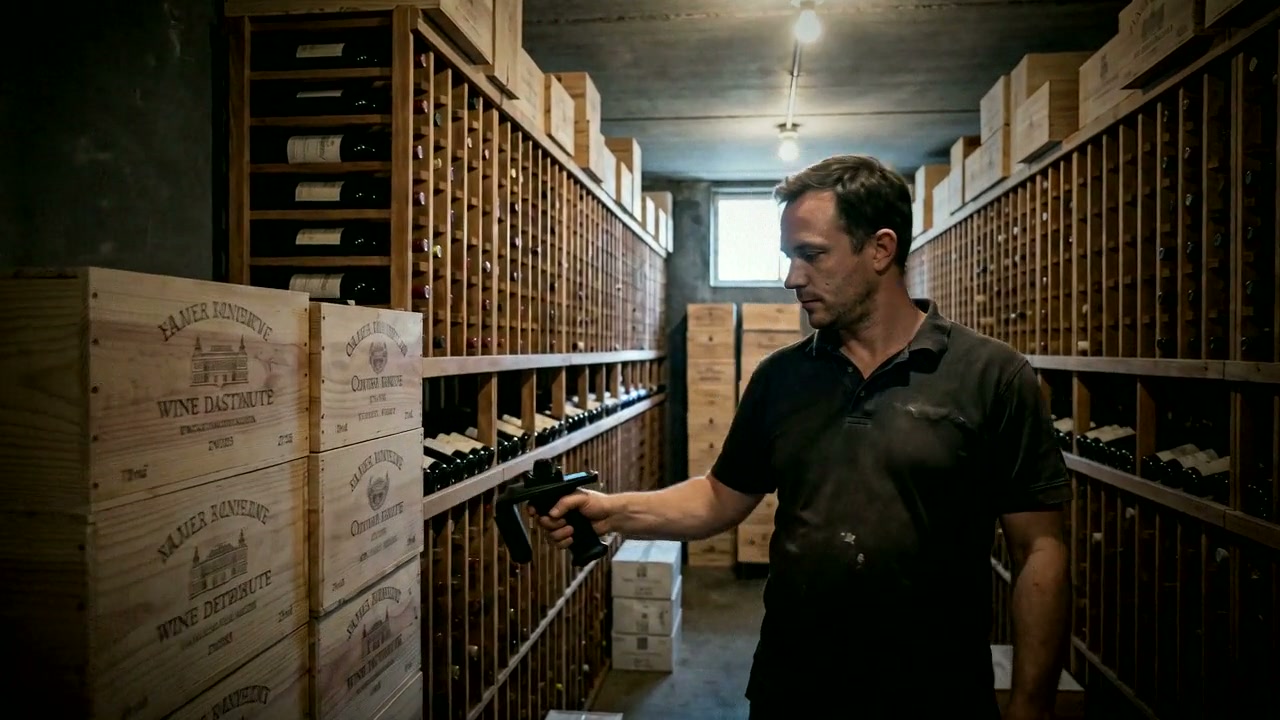
Count your entire cellar in minutes, not days.
End-to-end RFID wine inventory tracking — every bottle traced from the bottling line to the customer, counted in seconds, reconciled with your ERP.
Four steps, every bottle accounted for
A cork-grade RFID tag turns each bottle into a traceable record — then the platform tracks it through a controlled lifecycle and reconciles it with your ERP.
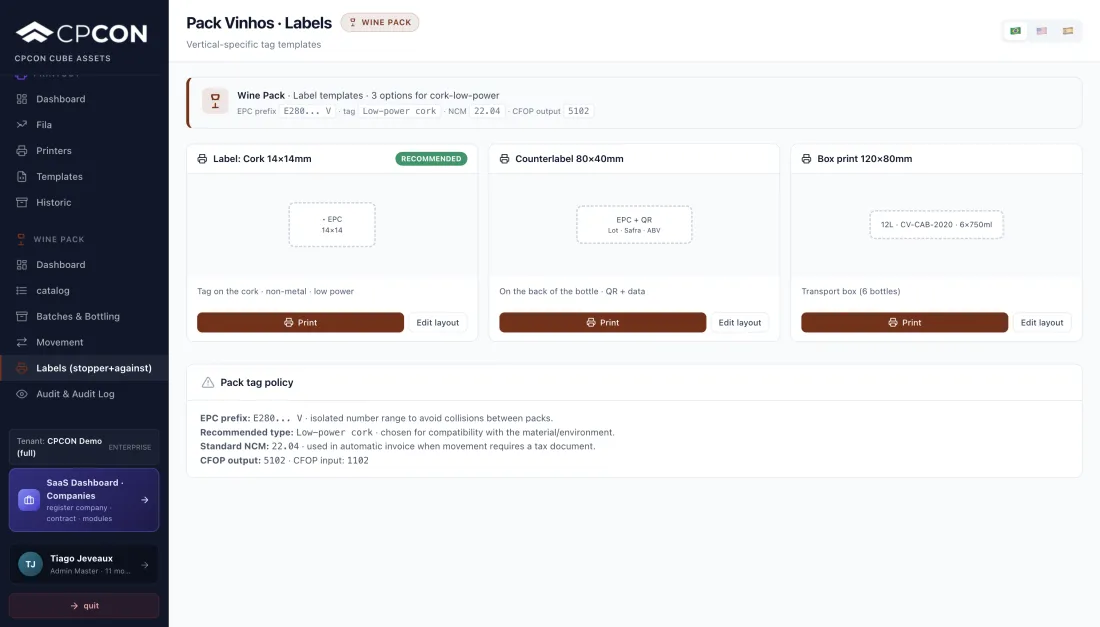
Tag
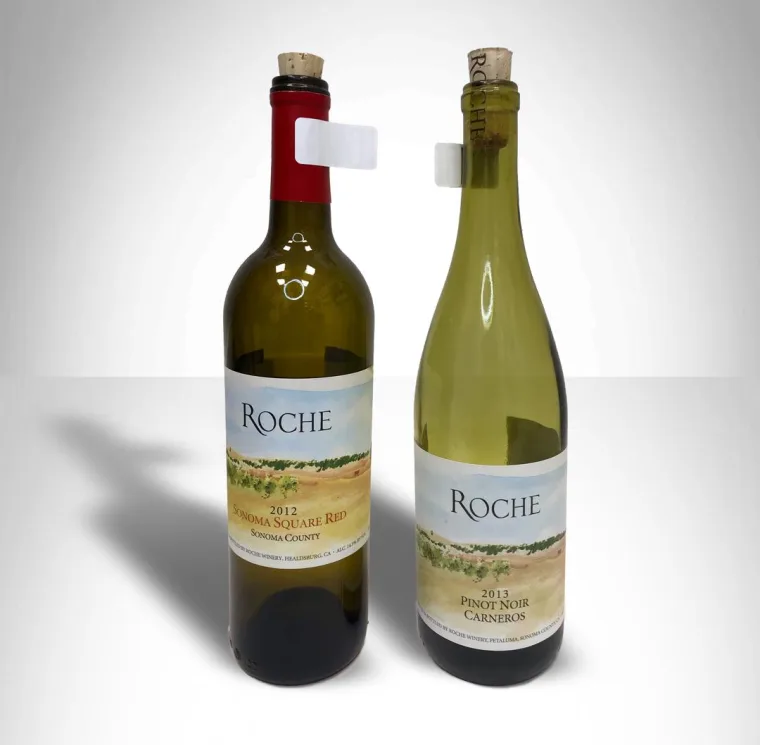
Cork-grade UHF tag + QR counter-label printed straight from the platform.
Scan
Read hundreds of bottles per second with a handheld reader or dock portal.
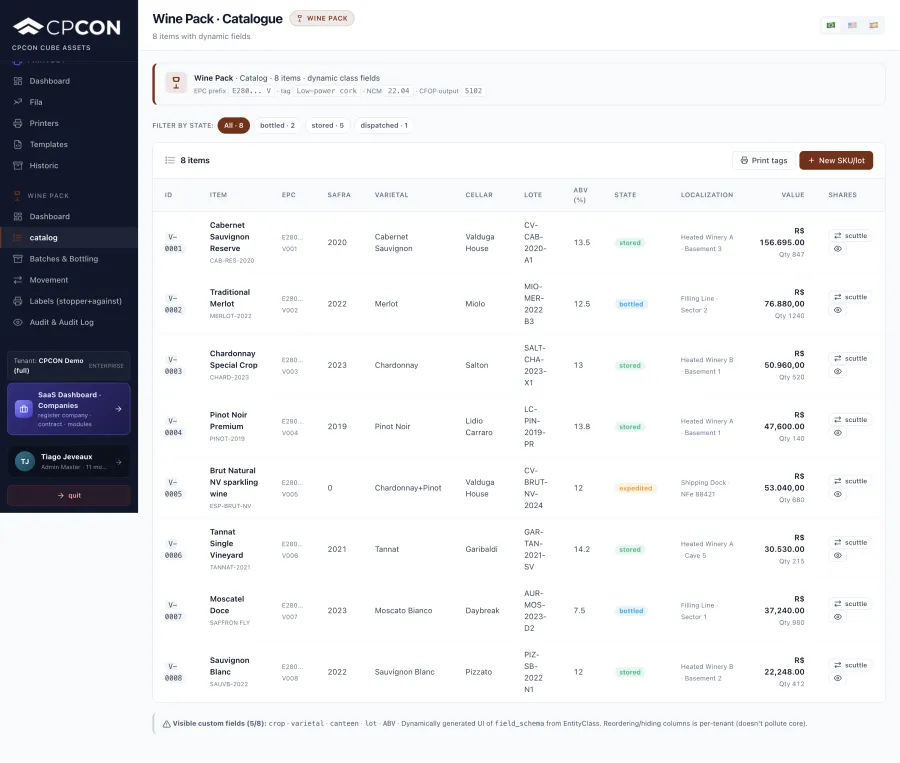
Track
A 6-state lifecycle — bottling to customer — where nothing moves without its paperwork.
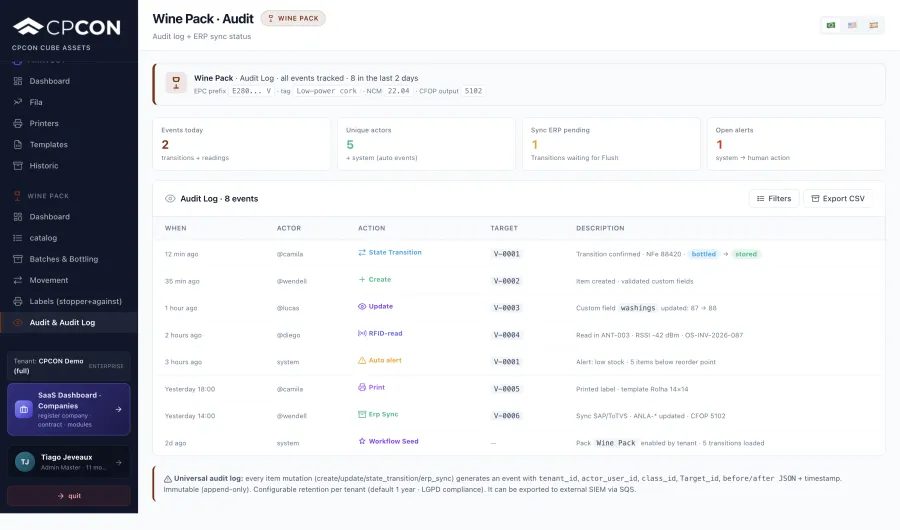
Reconcile
Immutable audit log + automatic SAP / TOTVS sync with the right tax codes.
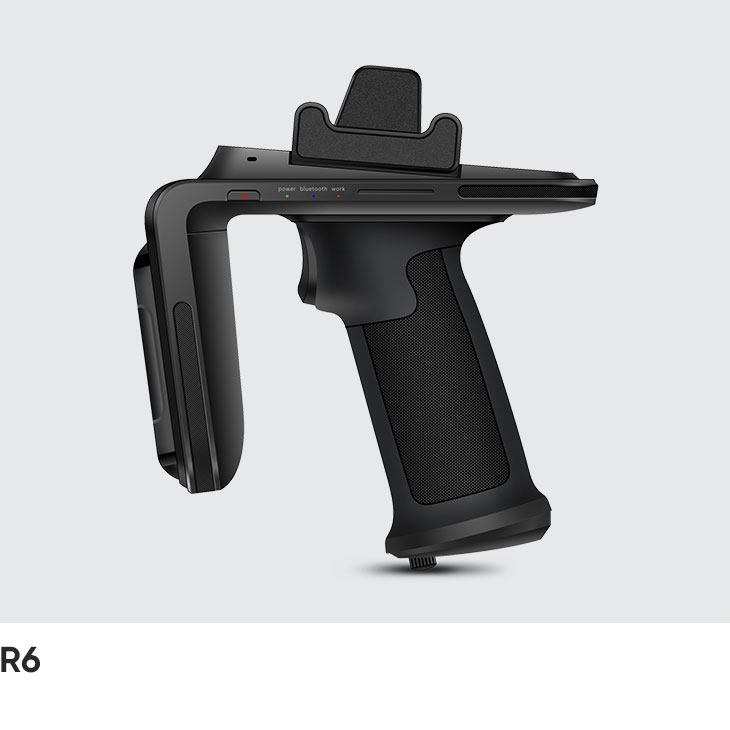
One pull of the trigger reads a whole rack
- A tiny chip in every cork tag — no battery, no line of sight.
- Hundreds of tags per second — through cases and crates, not one label at a time.
- Reads from across the aisle — point it down a row and the rack counts itself.
- A full cellar in minutes — what took days of hand-counting becomes a walk-through.
Tagged for wine — from cork to case
A low-power UHF tag on the cork, a QR counter-label on the back, a hard tag on the box — designed in the platform and printed on demand.
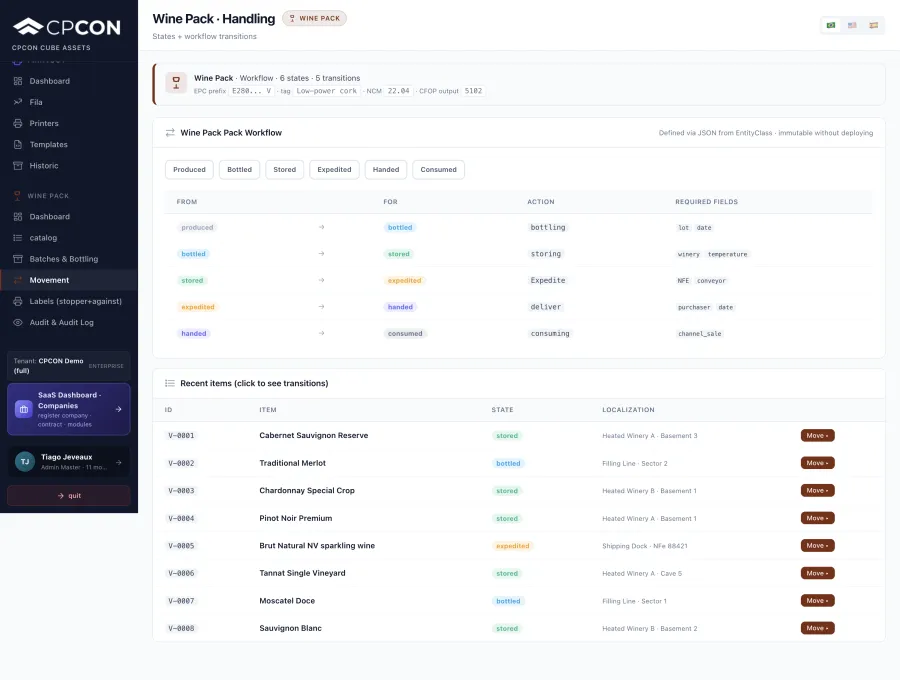
One bottle, fully traced
A configurable 6-state lifecycle defined in the platform — each transition demands the right data before a bottle can advance.
Every arrow writes a permanent, attributed event — so nothing moves untracked, and a bottle can never skip a step or move without its paperwork. Movements sync automatically to SAP / TOTVS with the correct tax codes; the audit log is immutable and LGPD-compliant.
Wine RFID, answered
The questions winery operations and fiscal teams ask before they tag a single bottle.
Does the RFID cork tag affect the wine or the cork seal?
No. The tag is a thin, non-metal UHF label applied to the cork face or capsule — it doesn't penetrate the cork, contact the wine, or interfere with the seal. It reads through glass and liquid, so the bottle stays sealed and shelf-ready.
How long does it take to count a full cellar with RFID?
Minutes, not days. A UHF reader reads hundreds of tags per second across an entire rack from a distance, so a cellar that took days to hand-count becomes a single walk-through — typically tens of thousands of bottles in under half an hour.
Does it integrate with SAP or TOTVS?
Yes. Every tracked movement syncs automatically to SAP or TOTVS with the correct Brazilian tax codes (NCM 22.04, CFOP, NFe issuance at expedition). Other ERPs are supported via the same reconciliation layer.
Is the data LGPD-compliant?
Yes. The audit log is append-only and immutable, and personal and customer data are handled under LGPD requirements. Every bottle transition writes a permanent, attributed event.
How much do the RFID tags cost per bottle?
Tag cost depends on format (cork tag, counter-label, box tag) and volume; at winery scale, per-bottle tagging is low. Total cost is scoped to cellar size and ERP integration during a free assessment.
Can I track a bottle from bottling all the way to the customer?
Yes. A configurable 6-state lifecycle (Produced, Bottled, Stored, Expedited, Handed, Consumed) traces each bottle end-to-end, and no bottle can skip a step or move without its paperwork.
See your own cellar counted in minutes.
Book a free assessment and we'll show you the platform on your inventory.
Book a free cellar assessment →Book a 15-minute demo
Tell us about your cellar and we'll tailor the walkthrough. No obligation.
- See bottle-level RFID tracking live
- Get a count-time & shrinkage estimate for your site
- Discuss ERP reconciliation (SAP / TOTVS / others)