Municipal Fleet & Equipment Inventory
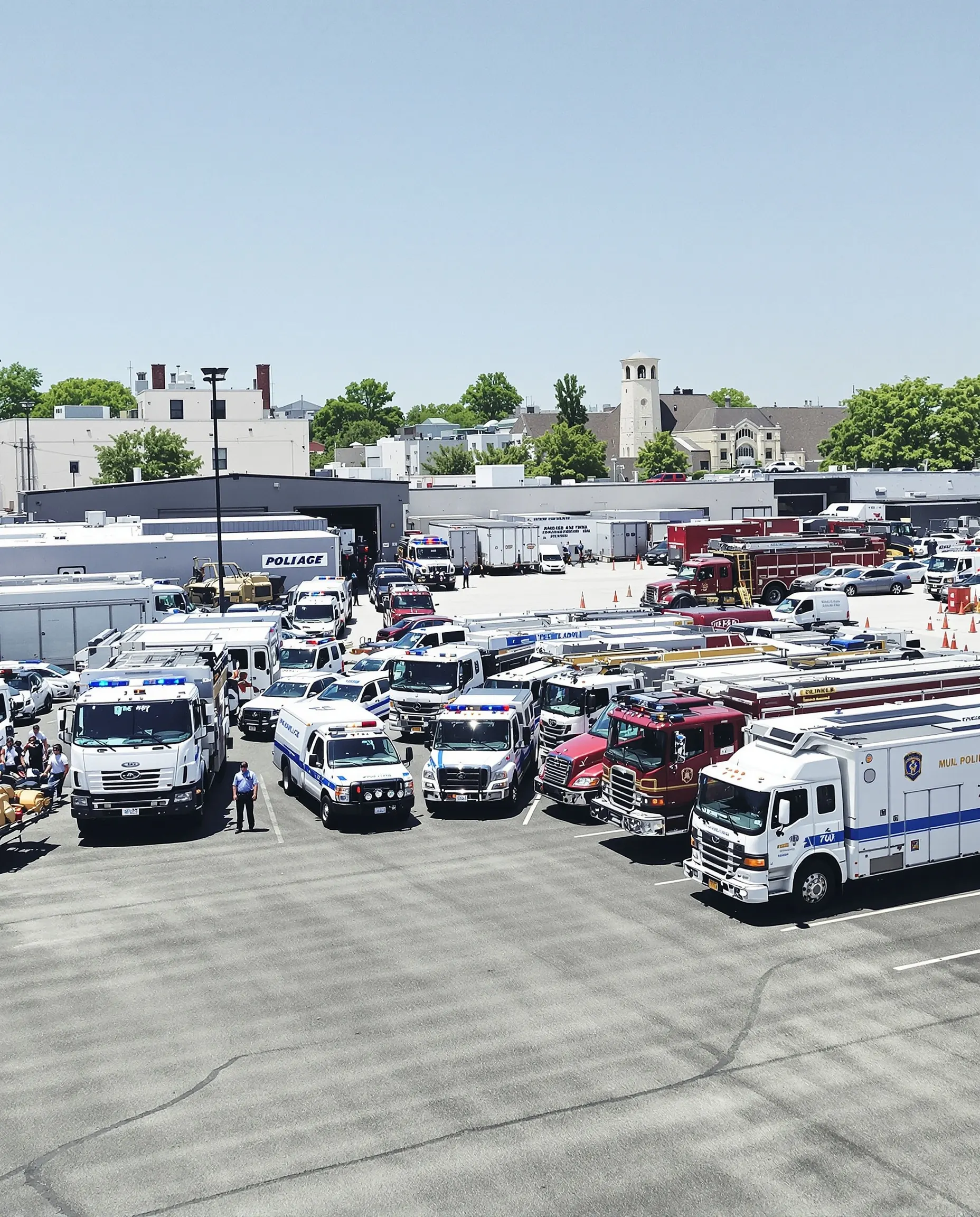
Comprehensive fleet and heavy equipment inventory for a mid-sized city government, establishing complete asset accountability and enabling data-driven fleet management decisions across 3,500+ vehicles and equipment units.
The Challenge
A mid-sized city government with a population of 425,000 residents faced significant challenges managing its diverse fleet of vehicles and heavy equipment across 47 municipal departments. The existing fleet management system contained incomplete and outdated information, making it impossible to optimize fleet utilization, plan replacements, or accurately budget for maintenance and capital expenditures.
Critical Issues Identified
- Fleet database accuracy estimated at only 62%, with missing GPS tracking, incorrect mileage, and outdated assignment records
- Over 400 vehicles and equipment units operating beyond recommended replacement cycles due to poor lifecycle tracking
- Departments maintaining shadow inventory systems, creating data silos and preventing centralized fleet optimization
- Annual audit findings citing inadequate fleet asset controls and inability to verify physical existence of all fleet assets
- No standardized tagging or identification system, making physical verification and maintenance tracking extremely difficult
Our Solution
We deployed a comprehensive fleet inventory and asset tagging program, combining physical verification with advanced GPS tracking integration and fleet management system optimization.
Complete Physical Verification
Conducted wall-to-wall physical inventory of all 3,500+ fleet assets across 47 departments, 23 facilities, and multiple field locations. Verified VIN numbers, license plates, equipment serial numbers, and current physical condition.
Asset Tagging & Identification
Applied durable asset tags to all vehicles and equipment using weather-resistant materials suitable for outdoor use. Implemented standardized numbering system aligned with city asset management policies.
GPS Tracking Integration
Verified GPS tracking device installation and functionality for all applicable vehicles. Reconciled GPS system data with fleet management records to ensure accurate real-time location tracking.
Data Enrichment
Captured comprehensive asset data including make, model, year, VIN, current mileage/hours, department assignment, primary operator, maintenance status, and physical condition assessment for each asset.
Maintenance History Review
Analyzed maintenance records and identified vehicles operating beyond recommended service intervals. Flagged equipment requiring immediate attention and provided prioritized maintenance recommendations.
Lifecycle Analysis
Evaluated each asset against industry-standard replacement cycles and utilization metrics. Provided detailed recommendations for fleet optimization, including vehicles suitable for disposal or redeployment.
Project Execution Approach
Planning & Coordination
Coordinated with all 47 departments to schedule inventory activities with minimal operational disruption
Field Inventory
Deployed teams to verify and tag all fleet assets at facilities and field locations citywide
Data Validation
Reconciled physical findings with fleet management system and GPS tracking data
Reporting & Recommendations
Delivered comprehensive findings with actionable fleet optimization recommendations
Measurable Results
Our comprehensive fleet inventory program delivered immediate improvements in asset accountability, fleet management efficiency, and operational decision-making capabilities.
Key Achievements
- Database Accuracy Improved to 99.8% — Corrected 1,340+ data discrepancies and established single source of truth for fleet information
- GPS Integration Verified — Confirmed 2,847 GPS tracking devices operational and properly linked to fleet management system
- Maintenance Gaps Identified — Flagged 673 vehicles requiring immediate or overdue maintenance attention
- Underutilized Assets Found — Identified 89 vehicles with extremely low utilization suitable for redeployment or disposal
- Audit Compliance Achieved — Resolved all prior audit findings related to fleet asset controls and verification
Operational Improvements
- $3.2M Annual Savings Projected — Through optimized replacement cycles, reduced maintenance costs, and elimination of underutilized assets
- 5-Year Capital Plan Developed — Data-driven fleet replacement roadmap based on actual condition and utilization metrics
- Centralized Fleet Management — Eliminated departmental shadow systems and established single authoritative fleet database
- Enhanced Safety Compliance — Identified and prioritized safety-critical maintenance needs across entire fleet
- Improved Budget Accuracy — Enabled precise forecasting of maintenance and replacement expenditures based on verified asset data
Fleet Composition Breakdown
Ready to Optimize Your Fleet Management?
Let our fleet inventory experts help you establish complete asset accountability and enable data-driven fleet optimization decisions.